
The Philippines declared the Persian Gulf, the Strait of Hormuz and the Gulf of Oman as a “Warlike Operations Area” for the country’s more than half-a-million seafarers.
The Department of Migrant Workers (DMW) issued Advisory No. 11, granting Filipino sailors “right to refuse sailing” privileges in the war-torn waters of the region following the US-Israel attacks on Iran.
It means that the seafarers may demand from ship officials and shipping companies to be disembarked in case their ships decide to sail in the said waters.
There are about 1,000 to 1,650 ships, including over 150 tankers and nearly 140-150 container vessels, currently stranded or experiencing significant navigation issues in the Persian Gulf and Gulf of Oman.
Iran declared the Strait of Hormuz as a no-sail zone following joint attacks by the US and Israel starting February 28, affecting roughly 20,000 seafarers and 15,000 cruise passengers.
In accordance with global maritime standards
DMW’s advisory agrees with the Warlike Operations Area Committee (WOAC) of the International Bargaining Forum (IBF) declaring the Gulf area a dangerous place for seafarers as several ships have been attacked by both Iranian and US missiles and torpedoes.
The DMW advised affected seafarers to also demand increased security arrangements with their employers.
DMW secretary Hans Leo Cacdac also said that, should a seafarer is injured or dies while the advisory is in effect, their families are to receive “double compensation.”
The directive is in keeping with the 2003 IBF agreement by maritime employers and seafarers’ unions to negotiate wages, benefits, and employment conditions of seafarers, the official said.
The Forum facilitates collective bargaining to set industry standards, including for high-risk areas.
The International Transport Workers’ Federation (ITF) and the Joint Negotiating Group (JNG), IBF social partners on the safety and welfare of maritime workers, said last March 2 that ship owners must not forget that seafarers are civilian workers.
“They must never be exposed to military risk or used as leverage in geopolitical conflict. Their safety must come before all commercial considerations,” the groups said.
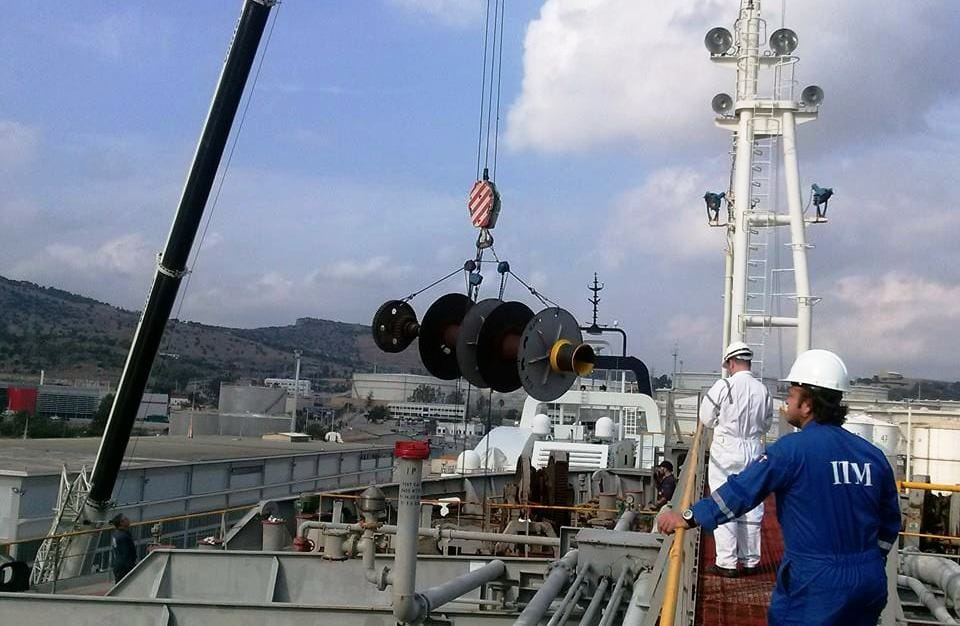
The Philippines is the largest global maritime workforce supplier in the world, with roughly 25 to 30% of seafarers in the world. #