
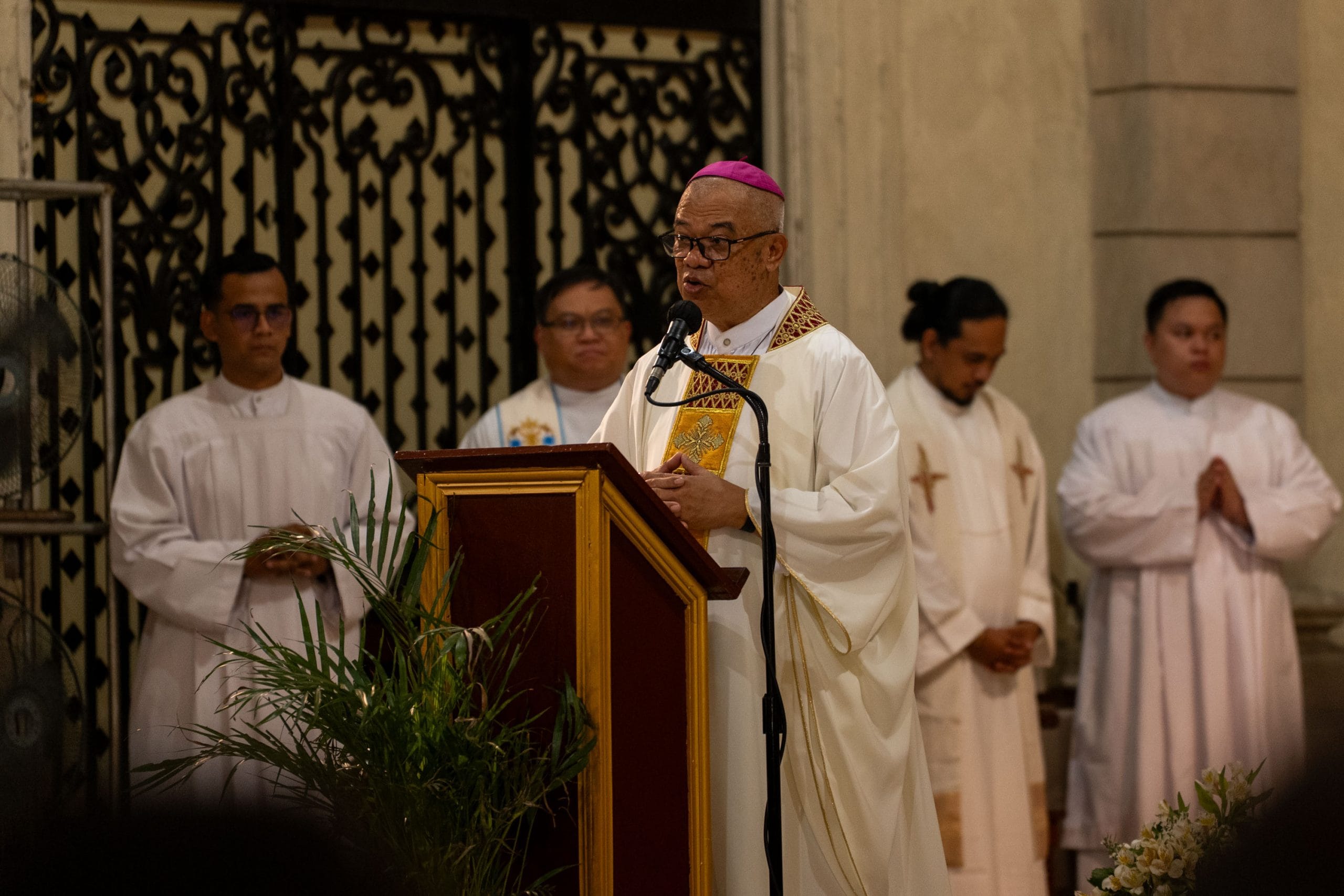
Bishop Gerardo Alminaza of San Carlos backed a fact-finding mission that disputed the military’s account of the April 19 killings in Toboso, Negros Occidental, and renewed calls for peace negotiations to address the roots of armed conflict in rural communities.
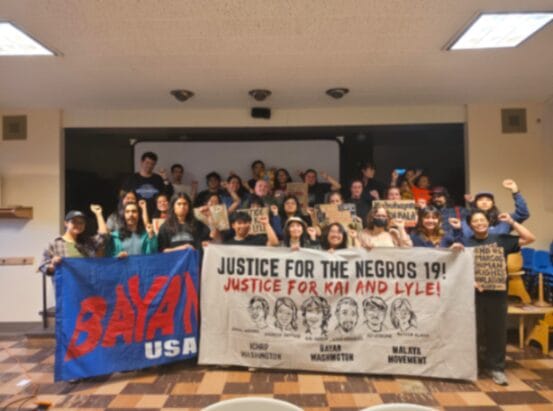
A National Fact-Finding and Solidarity Mission composed of church workers, human rights advocates, journalists, health workers, youth leaders, and lawmakers said witness testimonies confirmed that six of the 19 people killed were civilians, including peasant advocates and organizers.
The findings contradicted the military’s claim that all those killed were combatants.
In a statement released after the investigation, Alminaza thanked the more than 100 delegates who joined the mission despite what organizers described as intimidation and heavy militarization in affected communities.
“Your courage to seek the truth amid fear and intimidation is a concrete witness that truth, justice, and peace still matter,” the bishop said.
Organizers documented alleged violations against civilians during military operations, including the use of civilian homes as military encampments, harassment of residents, restrictions on farming activities, indiscriminate firing near homes, illegal detention, and the alleged use of a farmer as a human shield.
Alminaza said fear continued to silence many residents. “In such a climate, truth itself becomes vulnerable,” he said, referring to the military presence in the area.
The prelate said the investigation also exposed deeper social conditions surrounding the conflict, including land disputes, poverty, and neglect.
“We also heard the painful cry of communities burdened by longstanding land conflicts, poverty, and social neglect,” Alminaza said. “This reminds us that armed conflict cannot be solved by weapons alone,” he added.
He reiterated the Church’s call to protect civilians and uphold human dignity. “As Church, we continue to affirm every human life is sacred. Civilians must always be protected. Human dignity must never become collateral damage,” he said.
Alminaza also renewed calls for the resumption of peace talks between the government and the National Democratic Front of the Philippines.
“Lasting peace cannot be built only through military solutions,” he said. “Peace must be rooted in justice, dialogue, respect for human rights, and addressing the root causes of conflict, especially landlessness, poverty, exclusion, and historical injustices,” he added.
Delegates also reported incidents of harassment during the investigation, including being followed by a motorcycle rider taking photographs of their convoy. Unidentified individuals also allegedly photographed participants during a courtesy call at the barangay hall in Salamanca village.
Residents likewise reported the presence of soldiers from the Philippine Army’s 79th Infantry Battalion in the area days before the mission, according to organizers.
Meanwhile, Sadie Stone, an American pastor and member of the International Coalition for Human Rights in the Philippines, was reportedly denied entry into the country after allegedly being blacklisted for participating in “political activities” in 2016. Stone was expected to join the mission.
The mission called for accountability from the Armed Forces of the Philippines, an end to militarization in Negros, and justice for the victims of the Toboso killings.
“Peace is not merely the absence of war… True peace is the presence of justice, compassion, and human dignity,” Alminaza said.