
Poverty and US war-induced oil price shocks already weigh heavily on Filipinos, yet the government presses on with the Balikatan exercises. In April 2025, fishing was halted for three days across several Zambales towns during live-fire drills, causing small fishers to lose up to a week’s income—around Php2,000—due to overlapping bans and rough seas. This came at the height of the fishing season, when earnings are supposed to be highest.
These disruptions directly cut into the subsistence of coastal households already burdened by rising fuel and food costs. Following heightened tensions in the Middle East, local fuel prices surged, forcing small-scale fisherfolk to spend as much as Php1,200 more, or roughly double their usual expenditure for 10 liters per boat trip on diesel compared to earlier in the year. With incomes already squeezed, even short-term fishing bans have severe consequences for daily survival.
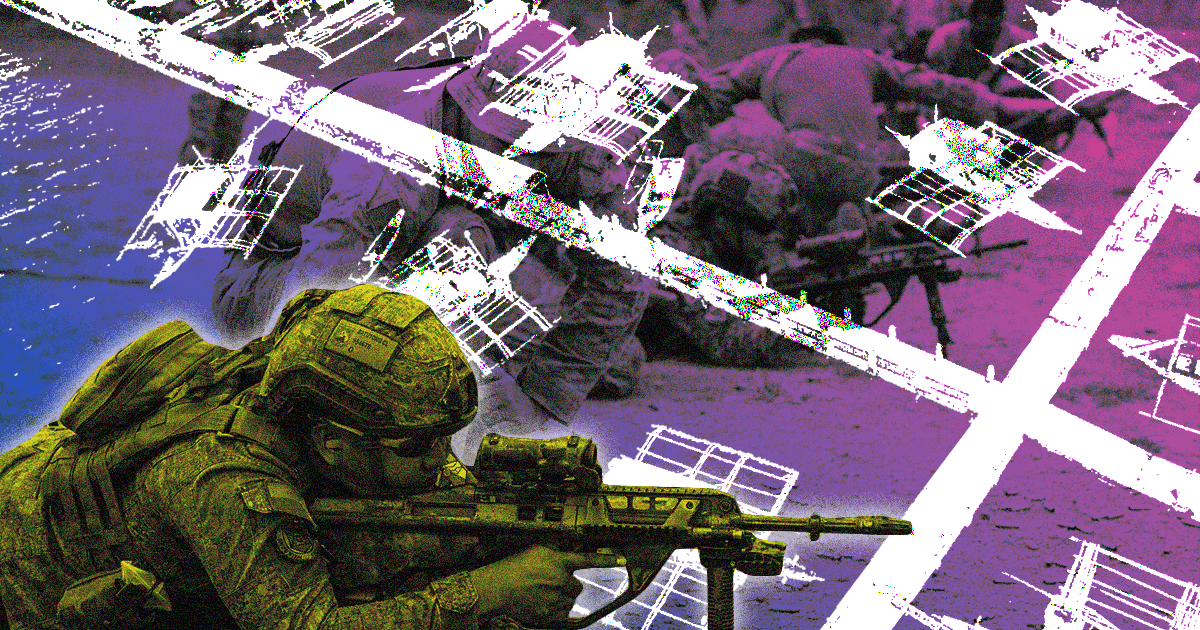
The hardship deepens in 2026 with what is expected to be the largest Balikatan yet, involving around 17,000 troops from the US, Philippines, and partner countries. Fishing in parts of Subic Bay and adjacent waters is again being restricted for a longer period—around 11 days—during live-fire and air defense maneuvers. For small-scale fishers, this is not mere inconvenience but lost food on the table and foregone income for fuel, boat maintenance, and basic needs. Some 25,000 individuals from 5,000 fishing households are expected to be affected.
At the same time, environmental and fisherfolk groups such as Pamalakaya and Kalikasan People’s Network for the Environment warn of coral damage, pollution, and other risks to marine resources that communities depend on. Opposition has grown precisely because the costs are borne by the most vulnerable, with repeated protests against prolonged “no-sail zones” and the ecological risks of large-scale war games.
Yet the government continues to expand military cooperation under the Enhanced Defense Cooperation Agreement, pursuing deeper defense alignment with the US and foreign troop presence while failing to deliver urgent economic relief. This is reinforced by initiatives such as Pax Silica, positioned as an “economic security zone” to support US-linked supply chains. Together, these reflect a broader push to integrate the Philippines into US strategic and economic interests in the Indo-Pacific.
In a time of deepening crisis, this points to the Marcos administration’s distorted policy priorities: channeling resources and attention toward militarization and a foreign nation’s strategic interests, while failing to secure livelihoods, stabilize food supply, and deliver meaningful support to distressed Filipino households.###