
First of 3 parts
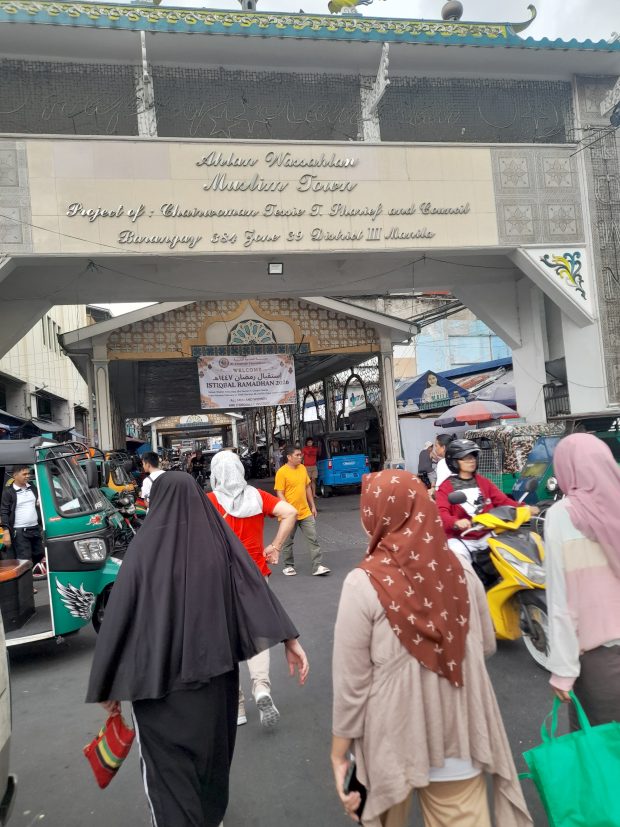
 Muslims in Manila’s downtown have invited fellow Filipinos to a welcoming ceremony before the start of the Ramadan in what could be described as the center of Roman Catholicism in all of Asia.
Quiapo, regarded as the most Catholic of places in the Philippines, is busy in its preparations for the Ramadan this week, with Muslim community leaders welcoming guests who wish to join them in today’s Istiqbal.
Welcome banners are hung in arches leading to Quiapo’s Golden Mosque while tents are placed in street corners to act as reception areas for guests.
The main Istiqbal shall be held in the area’s Shariel Arena deep within the community that most Filipinos did not know had profound historical connections to Islam.
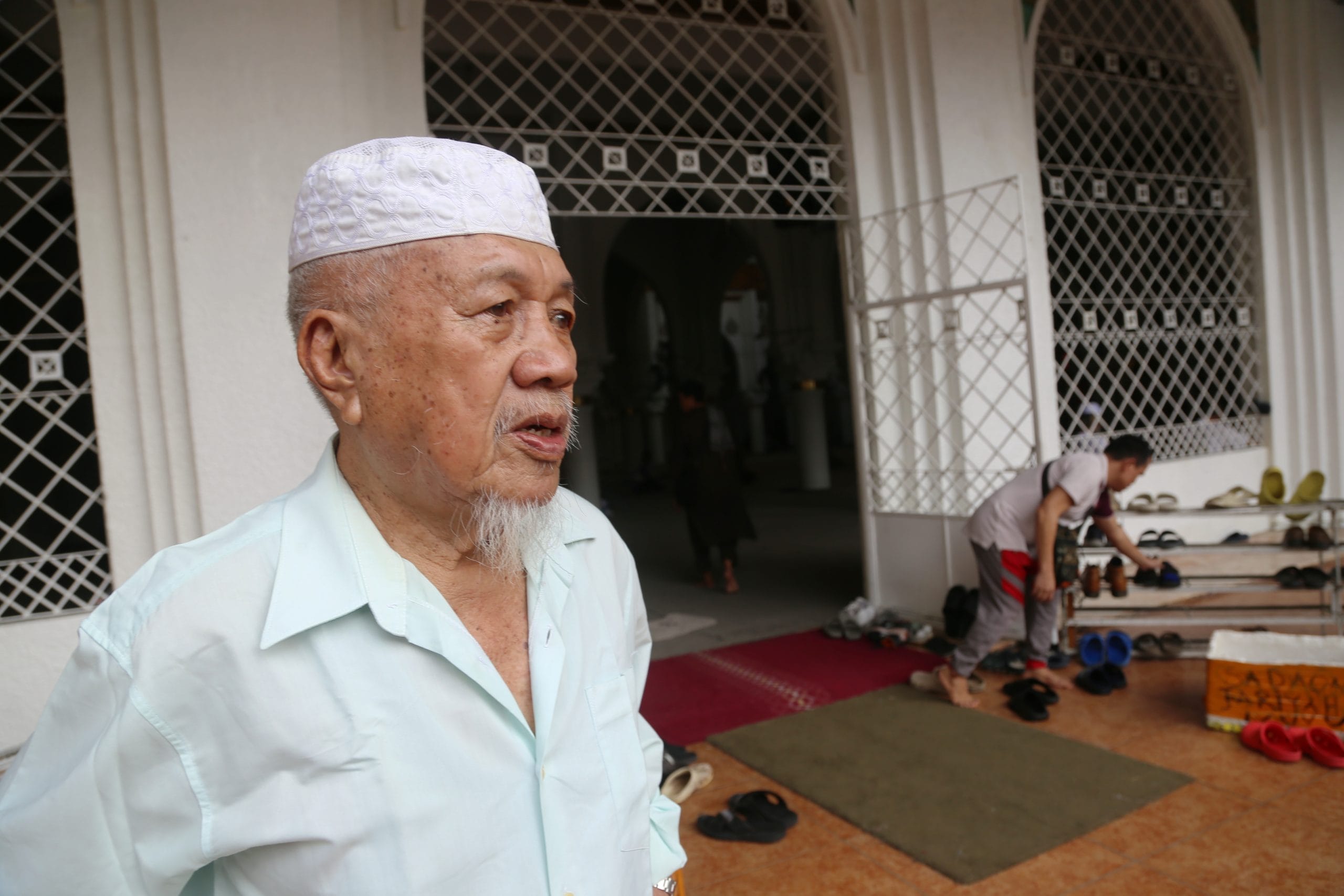
“Everyone is welcome to join us as we start our celebrations of the Ramadan,” community leader and founder of Quiapo’s Arabic School Hadji Ali Alawi said.
Where Quiapo got its name
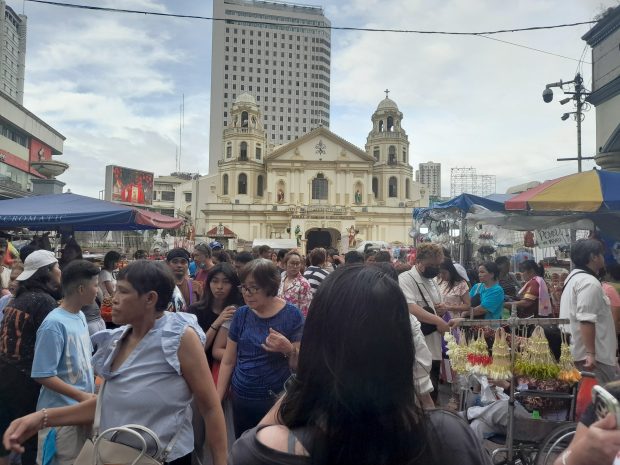
Quiapo is the site of the unique annual phenomenon called traslacion of the Black Nazarene (Spanish, transfer or relocation) housed in Quiapo’s Minor Basilica and National Shrine of the Black Nazarene, the Philippines’ most venerated Catholic image.
Last January, a record-breaking 10 million devotees attended the 31-hour traslacion in a 31-hour display of deep Catholic faith that Quiapo is most known for.
 Four weeks after the event, it is the Islam’s turn to make Quiapo a center of faith and religiosity with the start of the Ramadan in what some historians like Alawi said was originally a Muslim settlement.
Popularly believed to be named after a water plant abundant in the riverside area called kiyapo, Alawi said an alternate version of the lore is passed down through generations of Muslims of the district.
“At the start of the colonization by Europeans, a Muslim resident of the area was asked by a Spaniard where he was going and the brother reportedly replied “Kay Apo.” It meant, “I am going to the old man’s house,” which the Spaniard heard as kiyapo,” he said.
The name was later spelled Quiapo in accordance to Spanish preferences.
The Spanish colonizers eventually took over by defeating Muslim kings and laying waste to what was then a thriving region of Muslim-ruled kingdoms that stretched from Batangas province in the south to Pampanga in the north of Manila.
The return of Muslims in Manila
The Muslims in Mindanao and Palawan resisted Spanish and American colonization. It however meant that Quiapo and the rest of Manila becoming almost exclusively Christian.
In the 1940s, after the Second World War, Mindanao Muslim students began enrolling in Manila’s schools in droves. They were joined by Muslim merchants who started spreading out from Mindanao.
They looked for an area on which they could build a community that could accommodate their growing numbers. They settled in what was originally a Muslim community by the Pasig River: Quiapo
“The first Muslim community in Manila after the colonial era was near Malacanang Palace, by the Ayala Bridge,” Alawi said, referring to the adjacent center of government where the Philippine President resides and holds office.
The community has since spread to other parts of Quiapo, creating a unique subdivision with the predominantly Catholic area to the west of the district and the Islamic center to the east.
While Quiapo is a homogenous and bustling community, the Catholic and Islamic portions are defined by its main thoroughfare, Quezon Boulevard that cleanly dissects it in half.
‘Come partake with us’
One clear difference between the Christian and Islamic areas are the kinds of restaurants on each side of the boulevard.
In the advent of social media vlogs, Quiapo had become the epicenter of the street food scene in the Philippines. Further west of the district is Manila Chinatown – reputedly the world’s oldest – where Chinese food fare is the biggest attraction.
Quiapo’s Muslim area is not wanting on restaurants and roadside eateries that offer halal food items influenced by the entire Islamic world.
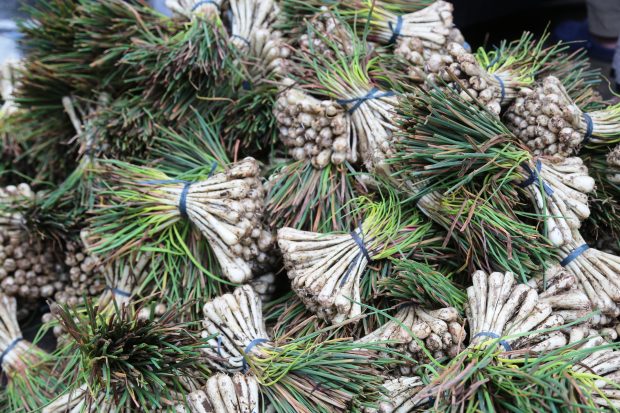
“We are proud of our global cuisine, but we invite brother and sister-Christians to try our indigenous sauce called palapa,” Alawi said.
Palapa is an original sauce by the Maranao people of Mindanao that is based on sakurab, a kind of onion grown only in Lanao del Sur. It is mixed with other aromatics and herbs such as turmeric, chili and ginger.
“We add palapa to many kinds of dishes like fish and chicken. I especially like it on my tilapia,” the hadji said.
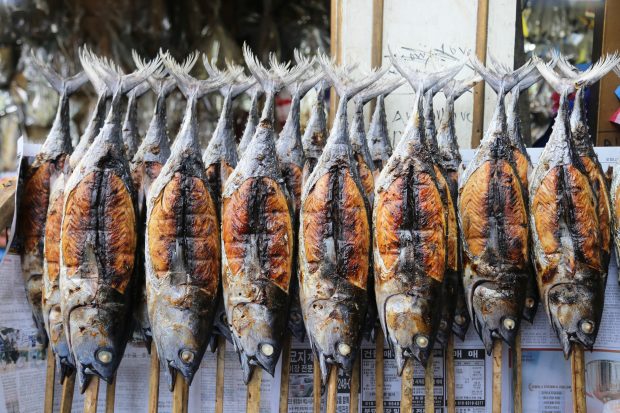
“We believe palapa to be potent in waking up one’s blood and mind once eaten,” he claimed.
Alawi said they will surely serve palapa-infused dishes to guests during Istiqbal.
“Come partake with us and celebrate our brotherhood and sisterhood,” he concluded. # (Raymund B. Villanueva)