
Fighting illnesses are feared to become even more expensive in the Philippines if the war in the Middle East continues, affecting logistics and the rising costs of raw materials of life-saving drugs.
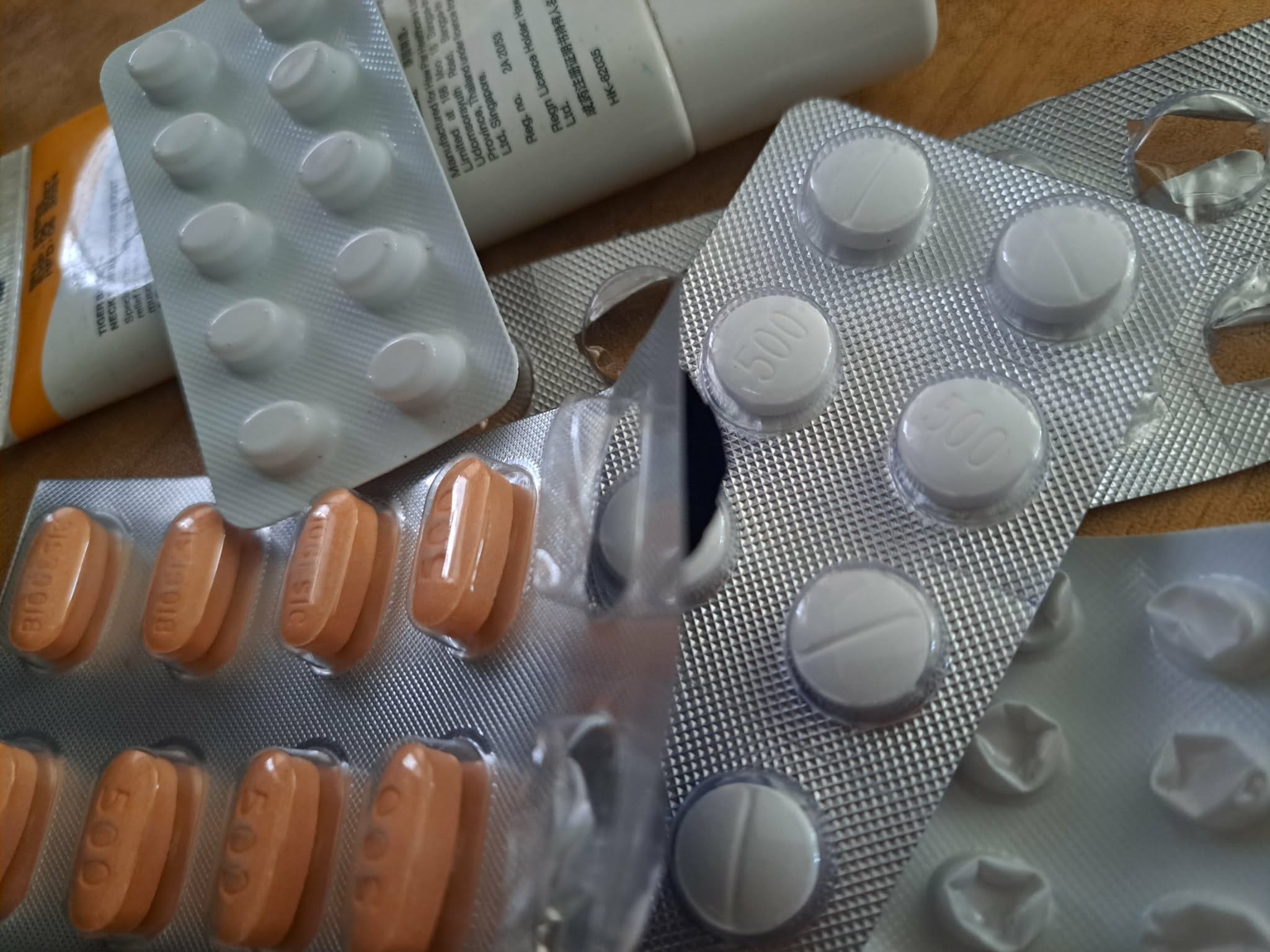
With several types of medicines derived from petrochemicals – such as aspirin, paracetamol, acetaminophen, ibuprofen, antihistamines, sedatives and various antibiotics – ingredients for drug manufacturing may eventually become more prohibitive in the country.
These medicines often use benzene, phenol, or other crude oil derivatives as key starting materials in their chemical synthesis. Additionally, petroleum jelly acts as a base for many topical, ointments and creams. Petrochemical compounds are crucial for creating active pharmaceutical ingredients, preservatives, and capsule coatings.
Since the Philippines imports 62 per cent of its medicine supplies, transporting them to the country from its biggest source, the United States, may also significantly add to the costs. Even local manufacturers may be forced to increase their prices as their raw materials come from abroad as well.
Economic think tank IBON Foundation revealed that according to its sources, drug companies are so far holding off price hikes since the start of the war in West Asia. But the country’s Department of Health (DOH) had begun closely monitoring medicine prices as geopolitical tensions from the US-Israel war on Iran begin to ripple through global supply chains, it said.
Worrisome developments
“Melissa” told IBON she had been recently been diagnosed with high cholesterol, on top of an existing condition—hypertension. She has recently started taking Atorvastatin and Aspirin in addition to her maintenance medicines, Losartan and Amlodipine. Altogether, her medications cost Php1,417.50 a month.
But she is not the only one in the family who is ill. Her husband also has hypertension and needs maintenance medication, while their son was also diagnosed with hypothyroidism and deep-vein thrombosis (DVT). The family’s medication costs total Php7,680 per month.
As minimum wage earners, the family’s medicines drain 26 per cent of their monthly income. A whopping 58 per cent of Filipino families earn less than Php23,000 a month, making the most basic of health regimens a huge challenge.
It is not just the cost of medicines that worry patients in the Philippines. They pay for consultation and diagnostic tests, preventive services, basic treatment, and expensive medicines.
For an illness requiring multiple medicines or with co-morbidity, or for a family with more than one ill family member, the choice is often to skip either consultation or taking the medicine.
Health groups had been asking the government to develop local Philippine pharmaceuticals or push for an increase of importations from cheaper sources like India. Their demands had so far fallen on deaf ears. # (Raymund B. Villanueva)