
Towns in the Philippines are declaring a state of calamity over fuel shortages and energy crisis brought about by the US/Israel attacks against Iran.
The municipality of Bongao in Tawi-Tawi province, the third southernmost town in the Philippines, declared a state of local emergency due to a “crippling scarcity” of fuel, disrupting transport, fishing and delivery of social services.
Bongao mayor Jasper Que of signed Executive Order No. 22 Series of 2026, citing critical shortage of diesel and gasoline and uncertainty of future supplies.
The order warned that the crisis poses “a serious threat to public welfare, economic stability, and the delivery of essential services.”
Located in the southern tip of Tawi-Tawi Island, Bongao is heavily dependent on refined petroleum products for its boats, fishing being the primary livelihood in the island province.
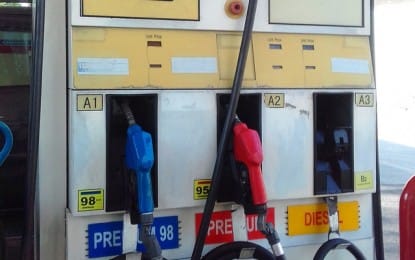
Tawi-Tawi actually sells diesel at a comparatively low price of P95 that it sources from neighbouring Sabah, Malaysia rather than faraway Luzon province where the country’s lone oil refinery operates.
Over in Ajuy town in Iloilo Province, Mayor Loida Espinoso placed her municipality under a state of calamity due to an energy emergency in its island communities.
A coastal and fishing town northeast of Panay Island, Ajuy is dependent on diesel and petrol for transportation between the mainland and offshore communities. It also operates generators for electricity in the said communities.
Espinosa signed Municipal Council Resolution No. 2026-088 before the official Holy Week break last Tuesday, citing disruptions in essential services and the daily lives of the residents due to recurring power outages.
Ajuy’s Municipal Disaster Risk Reduction and Management Council earlier recommended the declaration of an emergency as healthcare services, water supply, education, and livelihoods in the municipality have been affected by lack of fuel supply.
The entire province of Sorsogon had earlier been placed under a similar state of calamity, allowing their governments to access emergency funds to buy fuel from available sources.
The Ferdinand Marcos Jr. government has assured the country it has “adequate supply until the end of June.”
Remote communities around the Philippines however are starting to feel fuel shortages as petroleum retailers are mostly concentrated in big cities and densely-populated provinces close to the capital Manila. # (Raymund B. Villanueva)