
Several United Nations (UN) human rights experts asked the Philippine government to explain its charges against 27 Visayas development workers, saying the move appears to be a politically-motivated attack against the victims.
In a letter to the Ferdinand Marcos Jr. government, five UN Special Rapporteurs expressed “deep concern” over Manila’s attempt to “criminalize” current and former workers of Cebu-based non-government organization Community Empowerment Resource Network Inc. (CERNET).
The experts said the charges appear to be “deliberate misapplication of counter-terrorism legislation…for the purpose of discrediting legitimate human rights and humanitarian activities.”
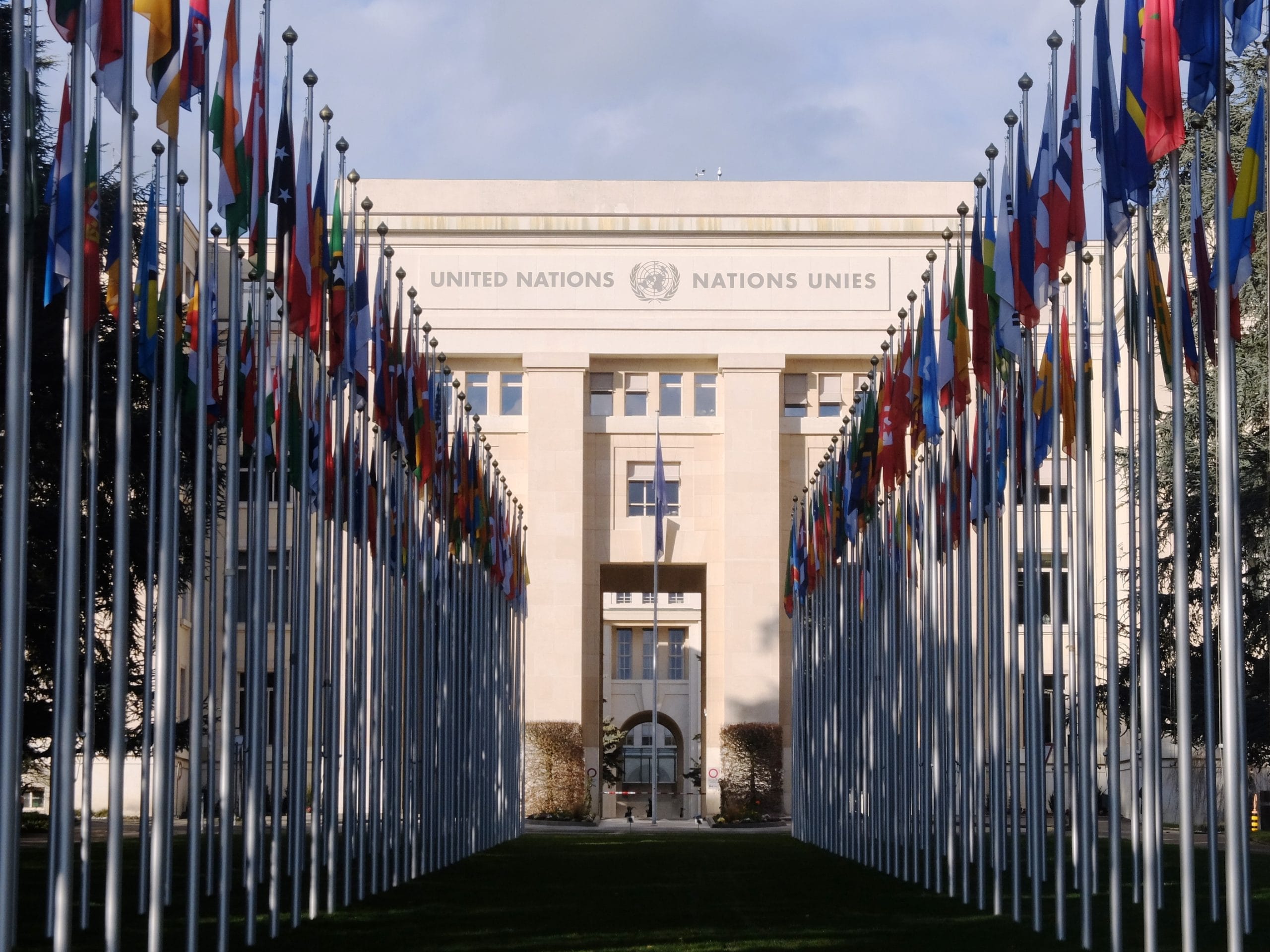
The letter was sent last August 29 and was made public last November 15 after the UN gave the Philippine government the standard 60 days to reply.
It was signed by Mary Lawlor, UN Special Rapporteur on the situation of human rights defenders; Gina Romero, UNSR on the rights to freedom of peaceful assembly and of association; Ben Saul, UNSR on the promotion and protection of human rights and fundamental freedoms while countering terrorism; Reem Alsalem, UNSR on violence against women and girls, its causes and consequences; and Laura Nyirinkindi, chair/rapporteur of the Working Group on discrimination against women and girls.
In particular, the UN human rights experts asked the Philippine government to explain the factual and legal basis for the charges brought against the 27 human rights defenders with past or present connections to CERNET.
On May 8, 2024, the Department of Justice (DOJ) filed charges against the victims for alleged violations of the Terrorism Financing Prevention and Suppression Act of 2012 (Republic Act 10168).
CERNET is being accused of giving P135,000 pesos to the New People’s Army in 2012 that the respondents have denied.
Criminal charges after red-tagging
In their letter to the government, the UN experts also asked about specific measures taken to ensure that human rights defenders, humanitarian workers and other members of civil society in the Philippines can carry out their legitimate work in a safe and enabling environment, without fear of harassment and intimidation from authorities.
The UN experts said government’s red-tagging of human rights defenders de-legitimizes their activities, creates misunderstandings about their work, and increases the risk of “reputational harm, threats and attacks against them.”
They added that red-tagging “has a wider chilling effect on civil society, restricting freedom of expression, peaceful assembly and association and sowing fear that peaceful activities will be met with oppressive retaliation.”
At its very worst, the UN experts said red-tagging contributes to the normalization of extrajudicial killing of human rights defenders and creates an environment in which extrajudicial killings can occur with relative impunity.
The special rapporteurs also noted that the Philippine Supreme Court has already declared that red-tagging, vilification and guilt by association are threats to the rights to life, liberty and security.
They also cited a previous resolution by the UN Human Rights Council that “national security and counter-terrorism legislation and other measures, such as laws regulating civil society organizations, have been misused to target human rights defenders or have hindered their work and endangered their safety in a manner contrary to international law.”
The experts also took exception to the overly broad definition of “terrorism” in the Anti-Terrorism Act of 2020, the expansion of the powers of the executive branch, the absence of judicial oversight and the “apparent lack of due process” in cases where individuals have been charged for allegedly violating the anti-terror law.
They stressed the importance of due process when allegations of violating the terrorist financing law are raised, especially when these involve the freezing of assets. They also expressed concern that freezing assets could have detrimental effects on the delivery of vital humanitarian and human rights services to impoverished and marginalized communities.
In its reply, the Permanent Mission of the Republic of the Philippines to the United Nations and Other International Organizations in Geneva acknowledged its receipt of the joint communication, adding it has been conveyed to the capital (Manila) for consideration.
There had been no additional comments from the Philippine government since.
Human rights group Karapatan welcomed the UN experts’ expression of concern, calling the charges against CERNET and its workers “bogus”.
Karapatan earlier noted the “hypocrisy” in the CERNET case being filed just days after Malacañang’s announcement of the creation of a human rights “superbody” co-chaired by the secretary of the Department of Justice (DOJ).
The DOJ works “hand-in-glove” with the military and the National Task Force to End Local Communist Armed Conflict’s legal cluster in churning out “spurious cases” alleging violation of anti-terrorism and terrorist financing laws by human rights defenders, development workers, mass leaders and activists, the group said.# (Raymund B. Villanueva)