
The highest heat index may reach 43 degrees Celsius, according to the weather bureau, and that’ll be in Sangley Point, Cavite, placing it under the ‘danger’ category. Metro Manila will be under the ‘extreme caution’ level with temperatures ranging from 38 to 39 degrees.
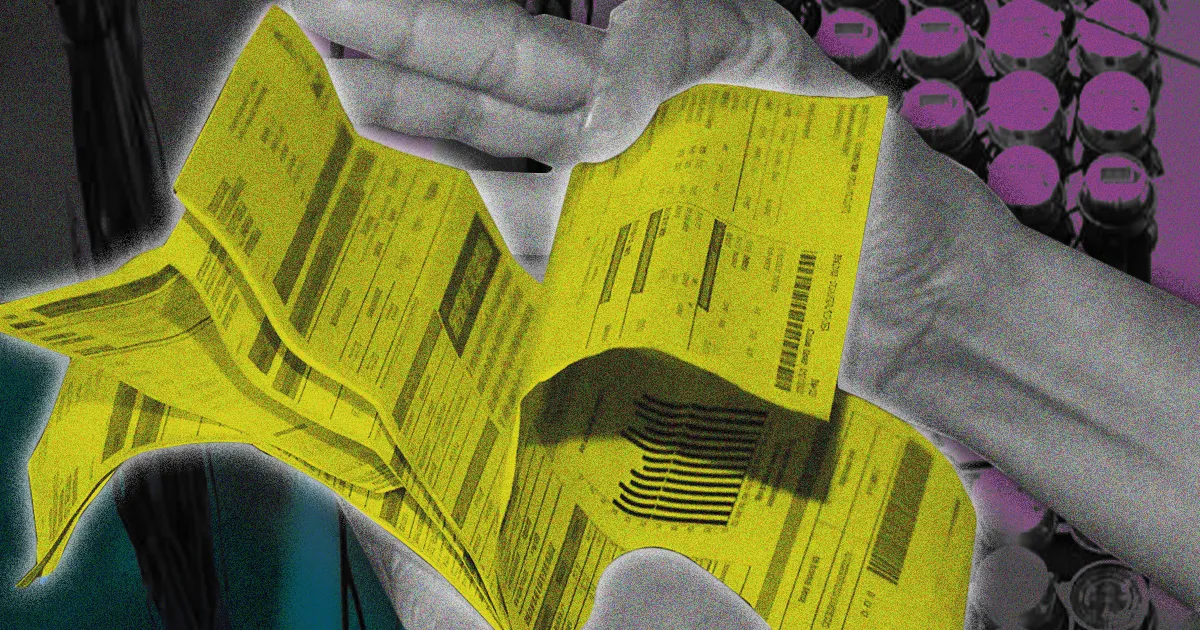
But that is not the heat that is making everyone fume right now. There is a 53-centavo per kilowatt-hour (kWh) increase in Meralco’s electricity rate. Filipino families who are consuming around 200 kWh per month will have to cough up about Php107 more, on top of rising expenses for basic commodities whose prices have also gone up.
The thing is that a 22-centavo increase took effect in February, and another 64-centavo increase just last month. The April rate hike of 53 centavos is primarily attributed to higher generation charges, driven largely by the depreciation of the Philippine peso against the US dollar and the oil price shock caused by the ongoing US war in the Middle East.
But the heat is on the Philippine government to explain why the electricity industry is this vulnerable to external forces in the first place. The Electric Power Industry Reform Act (Epira) of 2001 deregulated the industry and restructured it into an oligopolistic market where only a few businesses control generation, transmission, and distribution. The government, through the Energy Regulatory Commission (ERC), is reduced to setting maximum allowable rates for transmission and distribution, approving power supply contracts, and monitoring market prices.
Like the deregulated oil industry, where oil companies are raking in billions of windfall profits every day with the war and oil shock conditions, the electricity industry is also dominated by big oligarchs who are profiteering from a commodity that has an inelastic demand. Eighteen of the top 20 generation companies (gencos) are owned by only about five to seven of the country’s billionaires, who captured an average of 90% of the total revenues of the top 20 gencos from 2020 to 2025. Meanwhile, in the same period, Meralco singlehandedly accounted for 80% of the total revenues of leading distribution utilities.
Electricity is a necessity in the modern world—households and industries cannot just reduce consumption or look for alternatives when electricity rates increase. We are forced to pay an amount that is piled up across the electricity supply chain—60% from the charge of gencos, 11% from the privatized National Grid Corporation of the Philippines (NGCP), and 13% from distribution utilities like Meralco. Epira’s promise of quality, reliability, and affordability is a privatization myth repeated over again to justify profiteering from an essential utility that should be the government’s responsibility to provide. Consumers are left to carry the unbearable burden.
What is the government doing? Despite President Marcos Jr’s Executive Order 110 declaring a “state of national energy emergency”, on March 24, it’s business as usual for oil, energy, and electricity firms. The government, meanwhile, just continues with the 12% value-added tax on electricity, adding to the burden of the majority who are already financially struggling, while power firms profit from the crisis.
The irony with us simmering this summer is that Meralco simply urges everyone to practice energy efficiency and manage our consumption, as if we haven’t adjusted enough. The government and the big oligarchs should take the heat.