
By Diego Morra
Of course, it is pretty easy for people to identify with “Batang Quiapo,” just like in the 1950s, when being “Manila Boy” distinguishes one from the “uryab,” the barrio guys who are not street-wise, like the ultra-polite riders of the “tranvia” or electric cars who leave their slippers before boarding, it being taboo for anyone to be shod when visiting a neighbor’s house.
Right after World War II, downtown was Quiapo, the business district was Escolta, and jeepney was yet to be the workhorse of urban transportation. Guys were armed with pistols openly since there was no need to keep them tucked into their waists. The thinking then was that they were soldiers or war veterans who were tough as nails. Intramuros was peopled by war widows and orphans and guerrillas who were never recognized for their role in the patriotic war, unlike some officers who were kept in their Nueva Vizcaya redoubt with American superiors but managed to snatch some medals for their apocryphal exploits.
Quiapo was not merely the public market, but also Ma Mon Luk, the great lumpia outlet at Globe theater, the clinics of oncologists, dentists and the Quiapo Arcade, later on to become the shelter of activists fleeing from truncheon-wielding cops and military agents with guns blazing. There were camera shops nearby and the first Shoemart was in Carriedo while vendors of all kinds mix with fortune tellers and card readers at Plaza Miranda. Bilibid Viejo was already crammed with suspected criminals, the recidivists as well as those framed up, the labor organizers whom the Americans wanted to dispatch to penal colonies and the leaders of the Bahala Na Gang, a post-war gang that traced its roots among the peasants of Central Luzon who rose up in arms against landlords. The question mark was actually a sickle. Their slippers? The “sungkit” of yore, with Boston to make a bigger noise when the slippers hit the road.
Unknown to many, Quiapo was the site of the first campus of the University of the Philippines (UP) before it got better accommodations in Padre Faura. It was a place so beloved of writers like the late Orlando Nadresa of Quezon whose poem provided the lyrics for the song composed by Edru Abraham— “Sa Quiapo Mo, Sa Quiapo Ko” – that Becky and Lester Demetillo, also known as Silver Grass, popularized when folk houses were still in vogue. Before the brother-sister tandem did the ditty, Quiapo was already a well-known topic for comedy skits, by Chichay, Patsy, Dely Atay-atayan and Andoy Balun-balunan. Never-ending religious debates continue around the Quiapo Church while profane activities never ended in the interstices of the district, where the rich and the poor mingled like “hinalong kalamay.”
In the esteros, underneath the bridges and anywhere that’s fit to be occupied, there you will see the old Bagong Pilipino, cadging a meal here and there, selling cigarettes as “takatak” boys and at other times, pimping to keep kith and kin together. The boys of Quiapo also work in Divisoria, Binondo, some as “kutsero,” “tagatulak ng kariton” or “tagabuhat ng paninda.” Anything that delivers an honest peso to pockets that need to be sewn. Yet, petty thieves also flourished and activists who championed the cause of the Samahang Walang Magawa (SWM) were themselves victimized, with quick hands snatching watches, necklaces and even earrings while inside the bus or jeepneys. Material conditions being what they are, naughty hands will take half a chance to get “donations” from victims.
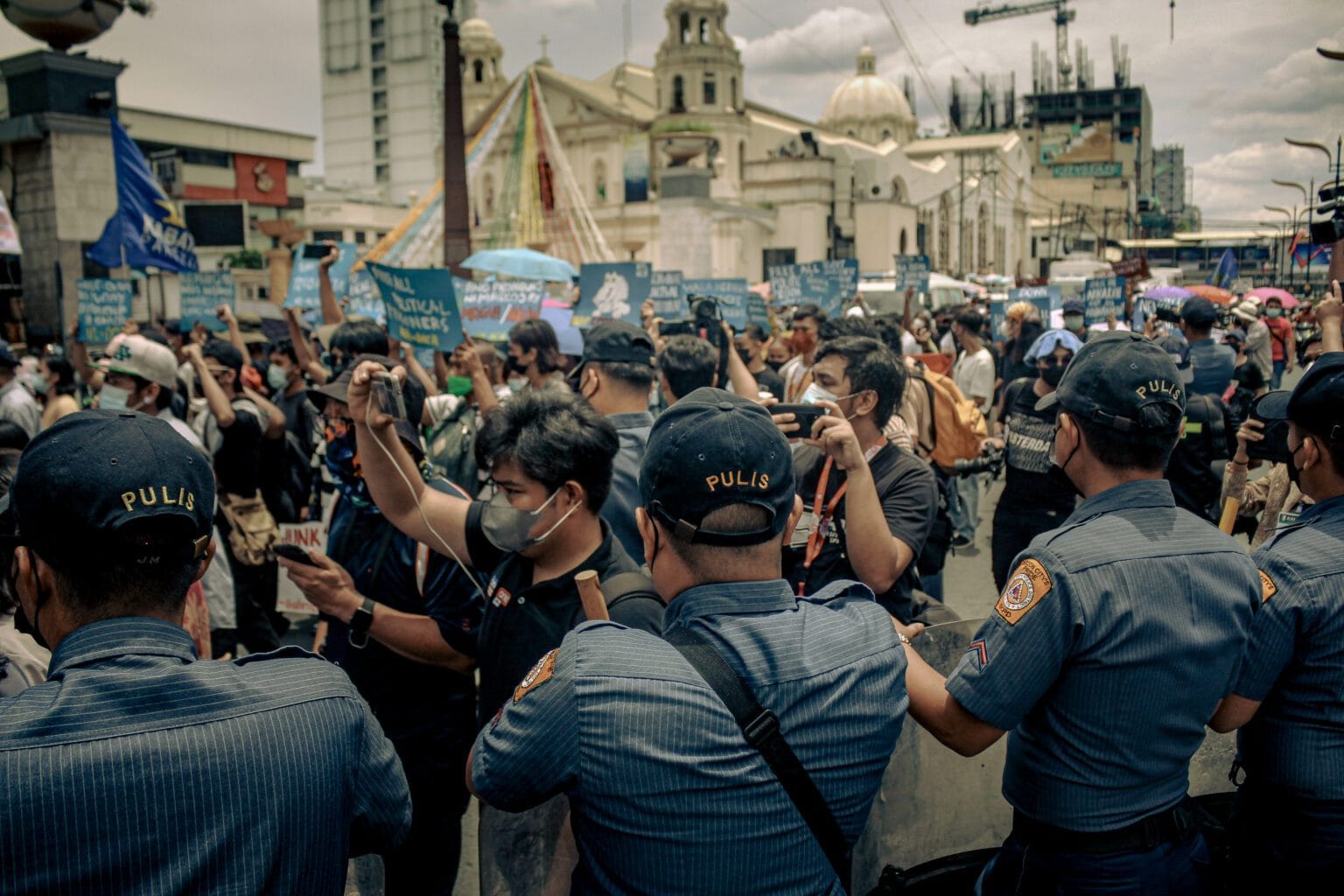
In the tumultuous years of the 1970s, some of those who lived in Quiapo were organized and the number of snatchings was reduced, with finance officers entrusted with the “butaw” saying not a single red cent was lost. However, lives were lost in the intermittent battles at Quiapo that spilled into Rizal Ave. One sign at Feati University had the slogan “Look up, young man, look up.” He did not have the chance to look up as a pillbox thrown from the building hit him in the head, spilling his brains into the pavement. The years of cholera in Manila were also the years when organizations blossomed, great relationships started and ended, and the fight against a looming martial law dictatorship intensified. Those who became experts in organizing workers and peasants ended up in Isabela, where the terrain was favorable in planting the seeds of comprehensive change.
The planning for the declaration of martial started in 1970 and declassified White House intelligence briefings in 1972 tagged the Marcos Sr. regime of plotting bombings to justify the suspension of the privilege of the writ of habeas corpus and confirmed that only one bombing was committed a political group, the one that blasted the US-RP handshake at what is now the corner of EDSA and Quezon Ave. It was not the New People’s Army, the President Daily Brief (PDB) said. Marcos Sr. had a doctorate in disinformation and the Duterte camp must have taken a page or two from the old man’s playbook.
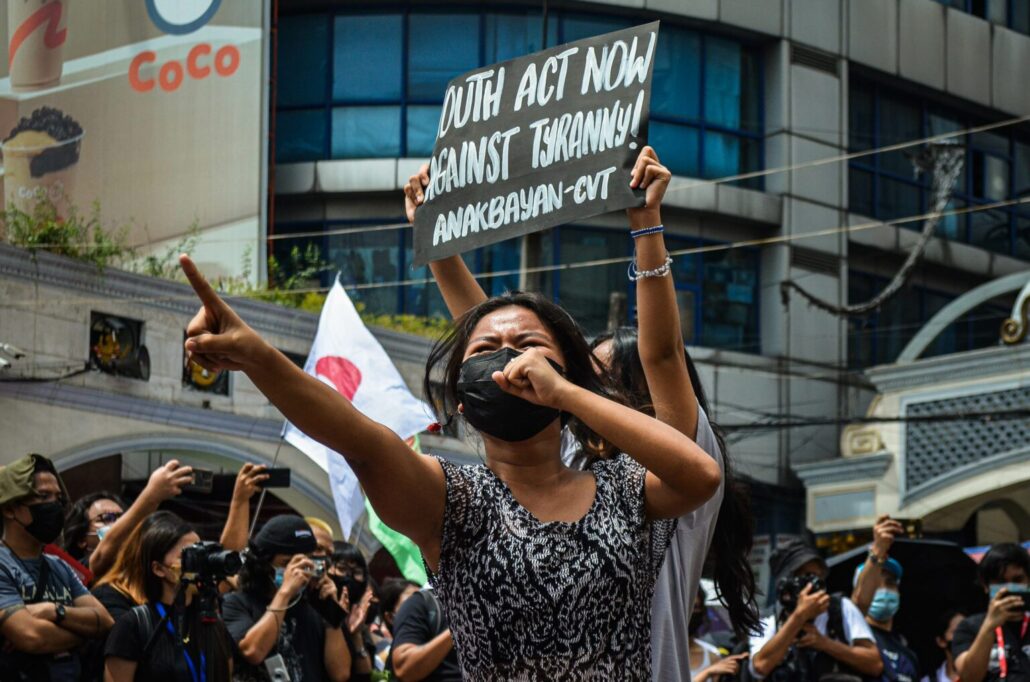
Back to Quiapo. With the midterm elections just weeks away, partylists vowing to serve the people must be pretty clear that the habitues of Quiapo are much like the rest of the Filipino people. They need decent jobs with decent pay, access to social, educational and health services and the right to exercise oversight over elected officials, from the highest official of the land down to the friendly barangay tanod. The Batang Quiapo also cares about the woes of the people of Bulacan and Cavite and the 134 water districts that Manny Villar’s PrimeWater took over. The people of Quiapo equally despise those who have tried to legitimize their plunder of the budgets of the Office of the Vice President (OVP) and the Department of Education (DepEd) as well as the evisceration of the national budget by lawmakers and their cohorts. Give the entire Filipino people a break, release them from increasing food prices, recurrent hikes in electricity and water rates. In the end, they hunger for a compassionate administration, not a bloody one. #