
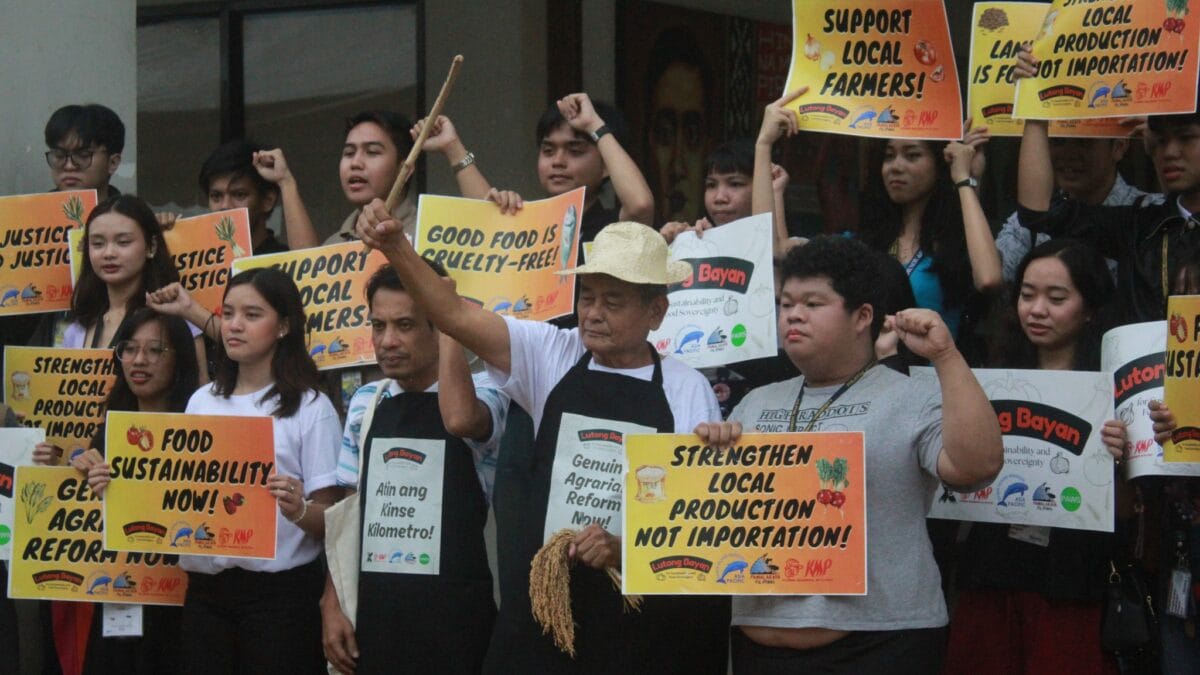

Cooking session highlighted the link between food security, cultural heritage, and climate justice. Photo from Earth Island Institute-Asia Pacific. Used with permission.
MASIPAG’s petition to local authorities in Negros, which is recognized as the capital of organic farming in the country, reflected the demand of more than 50 local farming associations against GMOs while demonstrating the advantages of agroecology.
“MASIPAG’s experience demonstrates that zero-tillage can be successfully implemented without dependence on GMOs or destructive chemical inputs, highlighting the viability of agroecological alternatives.”
The petition warns that the passage of the ordinance “will only deepen farmers’ dependence on imported seeds and chemical inputs, reduce agricultural biodiversity, and erode traditional farming practices and knowledge systems that have sustained Negros’ food security for generations.”
MASIPAG also submitted a position letter signed by more than 3,000 individuals from two districts of Negros against the planned GMO ordinance.
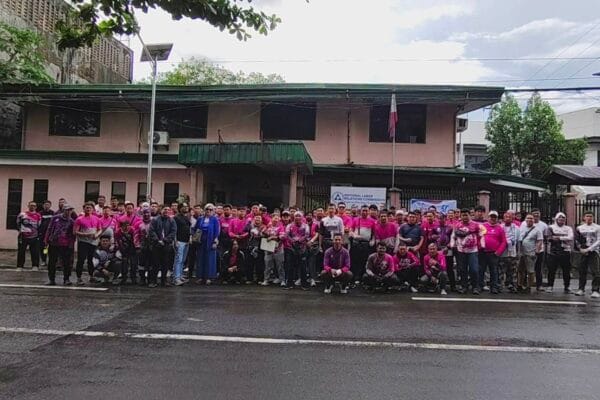
In Binalbagan, Negros, around 65 farmer leaders gathered in a forum and discussed the dangers posed by GMOs to the people’s health and local ecosystem.

Farmers submit a petition addressed to the governor of Negros Occidental opposing a planned ordinance that will allow GMO crops. Photo from MASIPAG. Used with permission
The study session on GARSA focused on the role of land reform in the campaign for climate justice.
“This framework emphasizes two inseparable pillars which are the redistribution and protection of land for smallholder farmers, and the promotion of agroecological practices that ensure ecological balance, food security, and climate resilience.”
It also gave attention to the promotion of women’s rights amid the lingering “macho feudal” values in rural areas.
“GARSA also demands confronting the deeply embedded culture of macho-feudalism in the countryside. This means valuing reproductive work, eliminating gender-based discrimination, and ensuring that women who are central to seed keeping, food production, and community care are fully recognized in all processes as rights-holders and decision-makers.”
MASIPAG’s activities in Negros were affected as two strong typhoons wrought damage in the region, which affirmed the value of their advocacy for land reform and climate justice
“Everyone’s commitment and realization that agroecology is a lived reality, not a mere alternative, is what stood out. The experience itself became a lesson that even amid worsening climate disruptions, farmer-led agroecology continues to inspire, unify, and strengthen communities determined to build a just and resilient food system.”
MASIPAG told Global Voices that they plan to connect what transpired during COP30 with their grassroots initiatives.
“MASIPAG will focus on amplifying the outcomes and way forward from these key activities while sustaining our work on the ground. Most immediately, we will be releasing an op-ed video connecting COP30 discussions with our grassroots initiatives and the insights drawn from the recent National Agroecology Workshop and Fair.”
From the Philippines to Brazil, MASIPAG and climate justice advocates were able to share their views about the key issues discussed during COP30, and more importantly, clearly demonstrate their commitment to promoting grassroots-led initiatives on traditional farming practices and cultivating community support for the protection of the environment.

Local farmers sell their produce at the fair. Photo from IBON Foundation. Used with permission.
= = = = = =
This story was supported by AWID. It was originally published by Global Voices and republished by Kodao as part of a content-sharing agreement.