
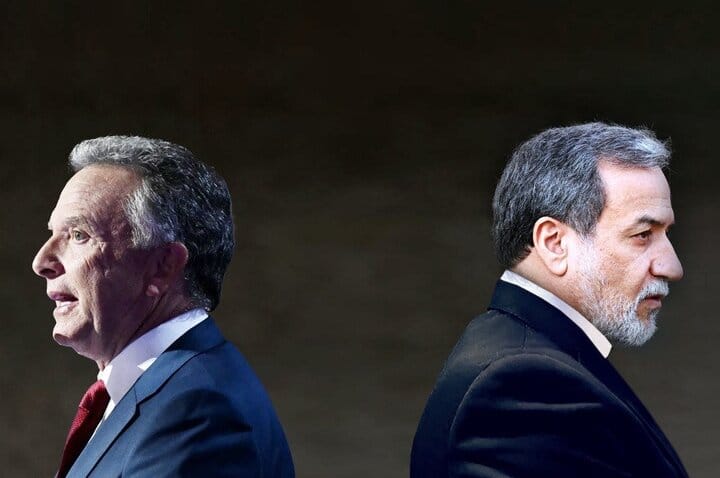
Iran has sent its response to a United States proposal aimed at ending the ongoing conflict through mediator Pakistan, as negotiations continue amid naval tensions in the Strait of Hormuz and mounting global economic concerns.
According to Islamic Republic News Agency (IRNA), Tehran’s proposal outlines a first phase focused on ending hostilities and ensuring “maritime security” in the Gulf and the Strait of Hormuz. A Pakistani diplomatic source confirmed that Islamabad has already transferred the Iranian response to Washington.
The US proposal reportedly included 14 points, requiring Iran to halt uranium enrichment for at least 12 years, abandon any pursuit of nuclear weapons capability, and surrender its stockpile of highly enriched uranium. In exchange, Washington would gradually ease sanctions, release frozen Iranian assets, and lift its naval blockade on Iranian ports.
Iranian officials have not publicly disclosed the contents of their reply, but analysts say Tehran is seeking a framework that prioritizes de-escalation while preserving what it considers its sovereign nuclear rights.
Talks continue despite naval confrontation
The latest diplomatic exchanges come despite continued confrontations between Iranian and US forces in and around the Strait of Hormuz. Although a ceasefire has technically remained in place since April 8, both countries have exchanged fire over the past week and tensions remain high.
Iran has restricted foreign shipping through the strait and detained several foreign-flagged vessels in response to the US naval blockade imposed on April 13. The blockade has sharply disrupted global energy markets, contributing to surging fuel prices worldwide.
Mohammad Bagher Ghalibaf, who has played a leading role in ceasefire negotiations, said a durable ceasefire would only be possible if Washington lifts the blockade.
Pakistan intensifies mediation efforts
Reporting from Islamabad, Al Jazeera’s Kamal Hyder said Pakistan is urging both sides to move toward compromise amid fears of prolonged economic fallout.
“The stakes are very high,” Hyder said, noting that countries across the region are suffering from skyrocketing fuel prices and instability tied to disruptions in the Strait of Hormuz.
Pakistan has emerged as a central mediator in the crisis, maintaining close relations with Iran while also preserving diplomatic ties with the Trump administration. Other regional powers, including Qatar, Saudi Arabia, Türkiye and China, are also reportedly involved in backchannel diplomacy.
Iran signals flexibility, but rejects “maximalist” demands
Abbas Aslani, a senior fellow at the Center for Middle East Strategic Studies, described Tehran’s response as neither a simple acceptance nor rejection of the US proposal.
Instead, he said Iran is attempting to clarify its positions while leaving room for further negotiations.
“If they can reach a kind of peace agreement at the initial stage, that could create a positive atmosphere,” Aslani told Al Jazeera.
“But if the US wants to continue its demands, like Iran exporting its highly enriched uranium or suspending enrichment for a long time, this could make any agreement impossible.”
The negotiations come ahead of US President Donald Trump’s upcoming visit to China, one of Iran’s largest oil customers and a key regional stakeholder with growing diplomatic influence in the conflict.