Queerness takes root quietly in an Ayta community in Capas, Tarlac. Not resisted, not announced, simply lived.
Across many Indigenous Filipino communities, expressions of gender and identity have long existed outside mainstream definitions. While views on gender differ from one family or community to another, acceptance is often shaped through familiarity, kinship, and daily interactions.
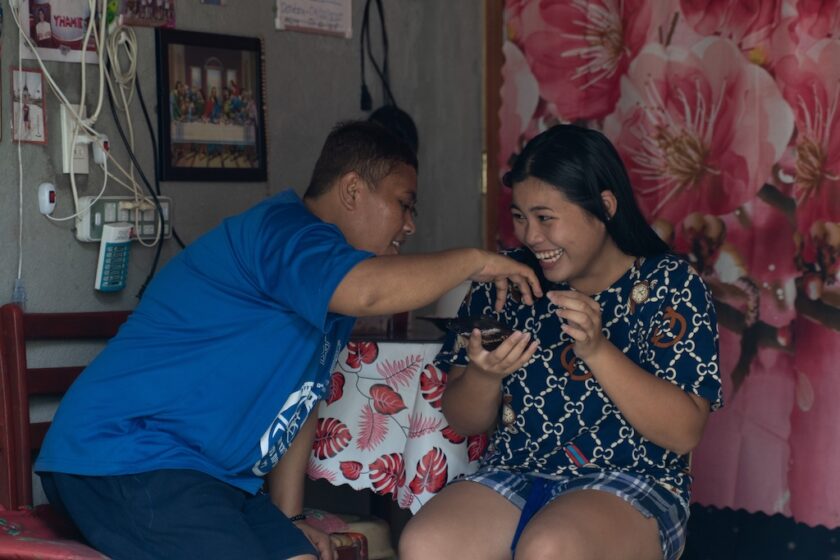
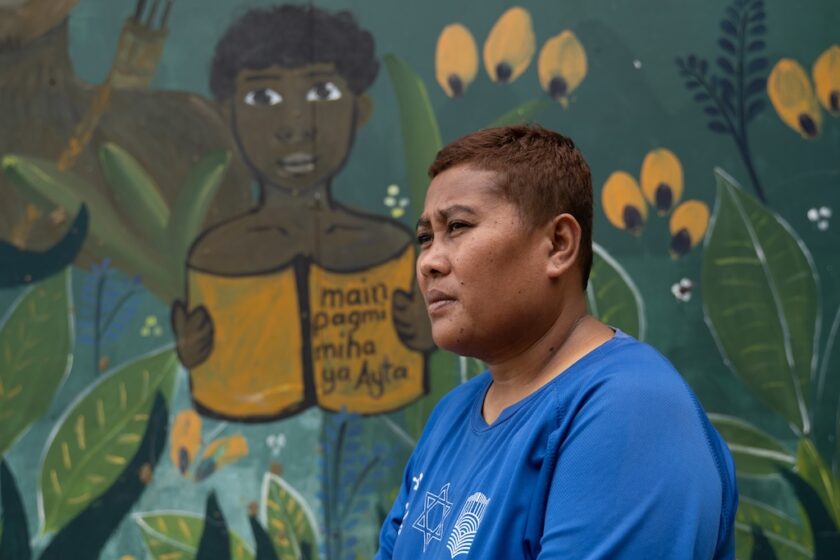
For Louie, acceptance takes a quiet and personal form. Openly lesbian and using a male name, Louie is called “Papa” by his stepdaughter — a title that family members and neighbors also use naturally in conversation.
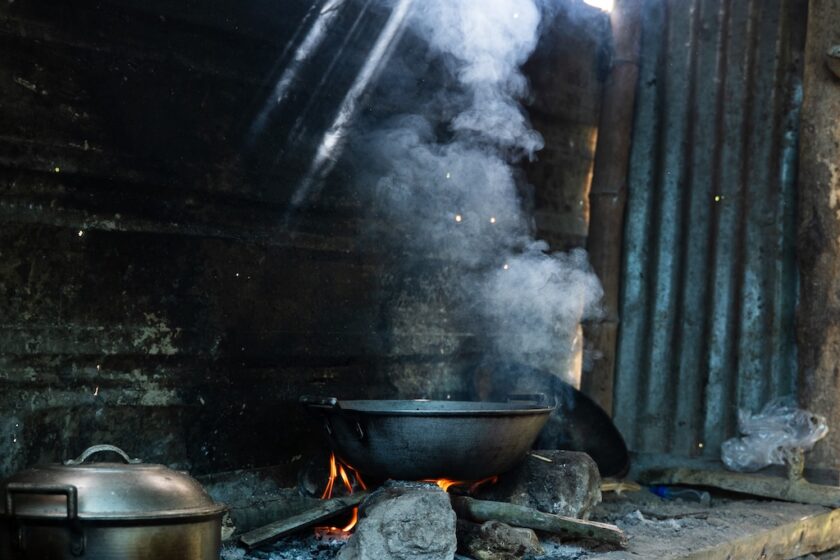
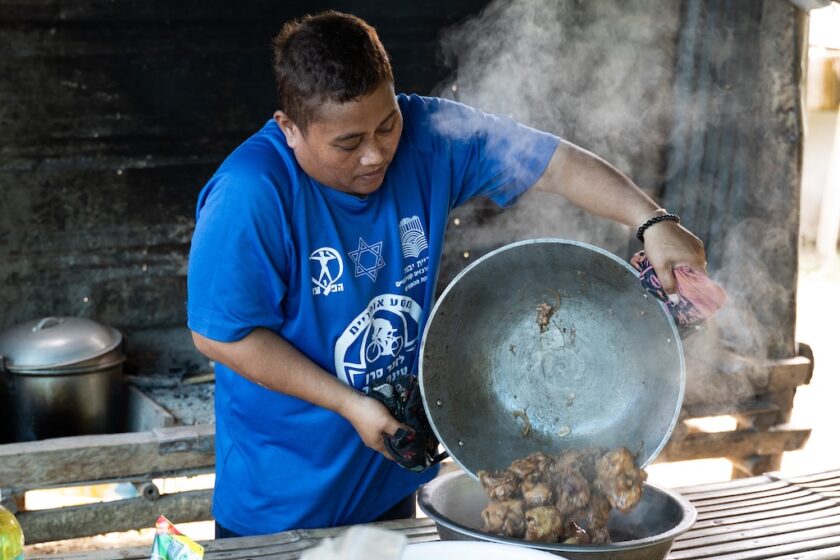
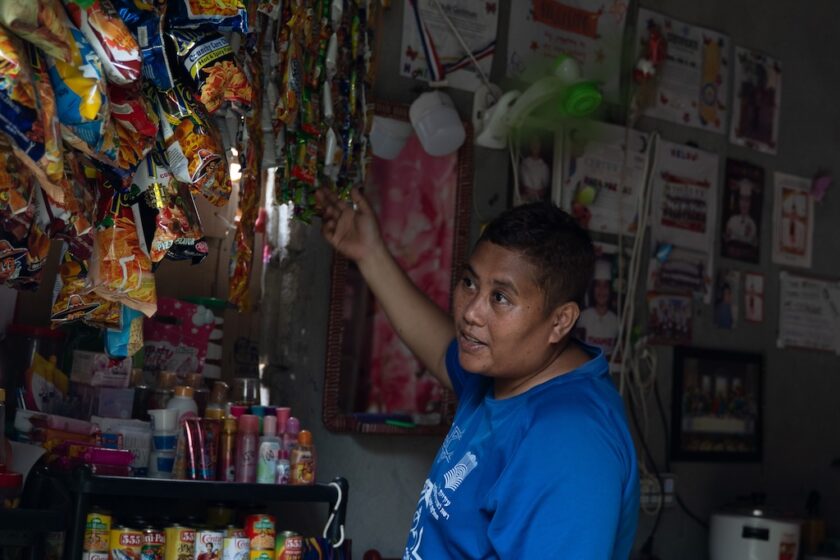
At home, daily life revolves around routines familiar to many families in the community: preparing meals over a fire, tending a small sari-sari store, and caring for children and relatives within a shared household.
In a place where life moves at a slower pace and livelihoods remain modest, Louie’s story reflects how identity can be understood through presence and responsibility within the family, rather than through labels or public declarations. (CAM, RVO)
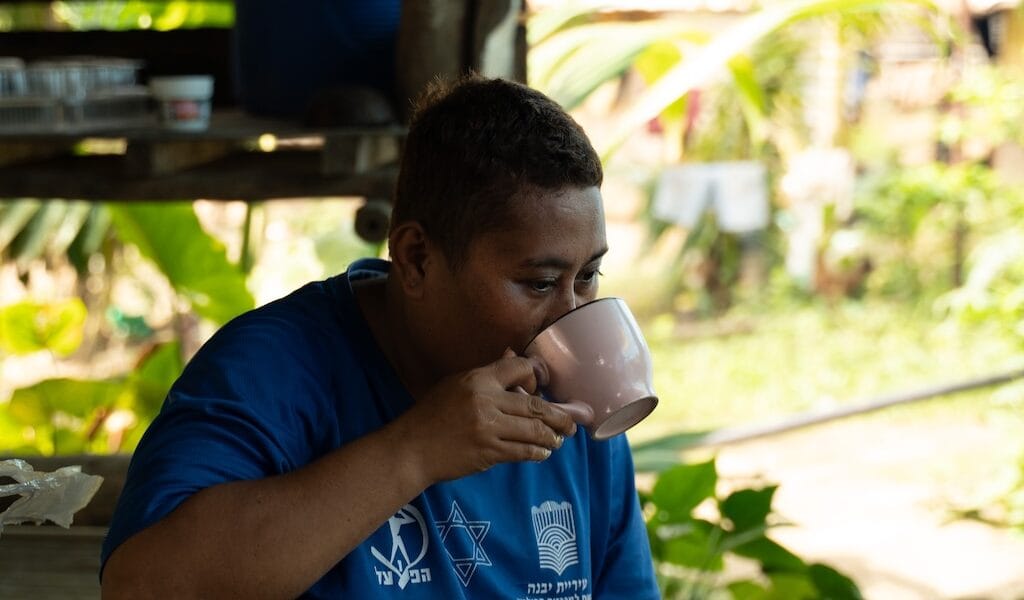
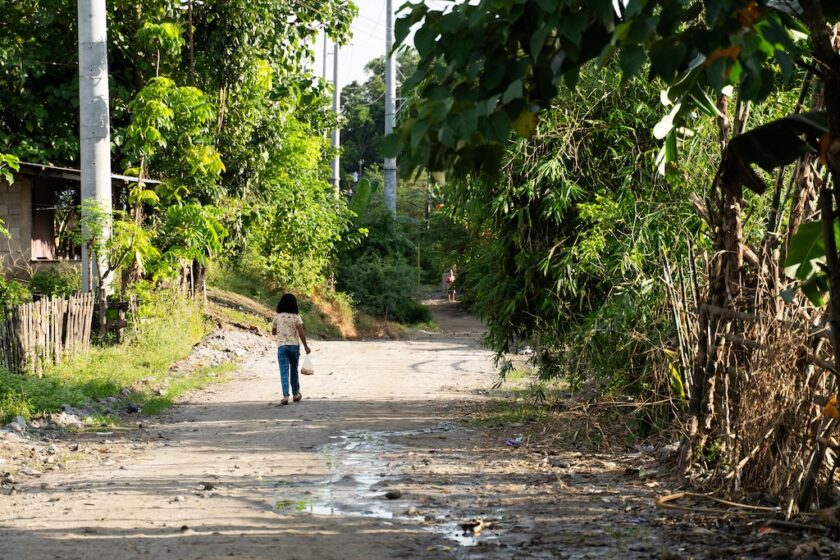
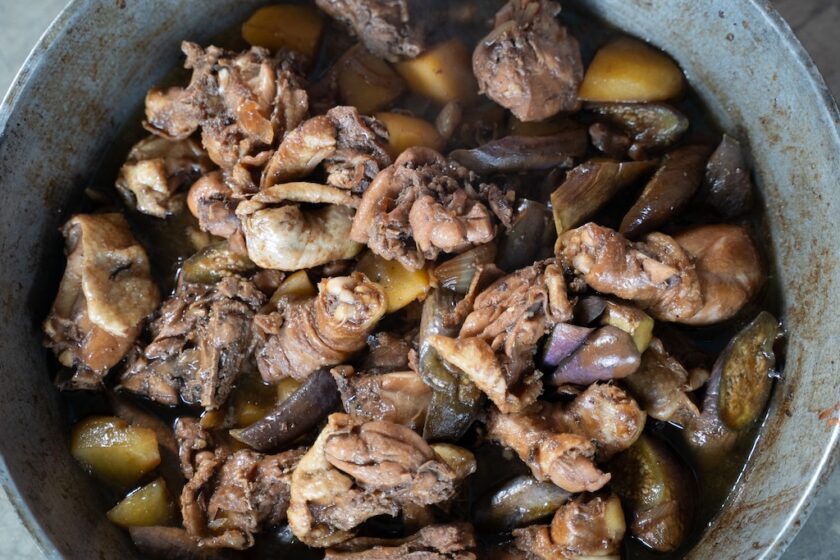
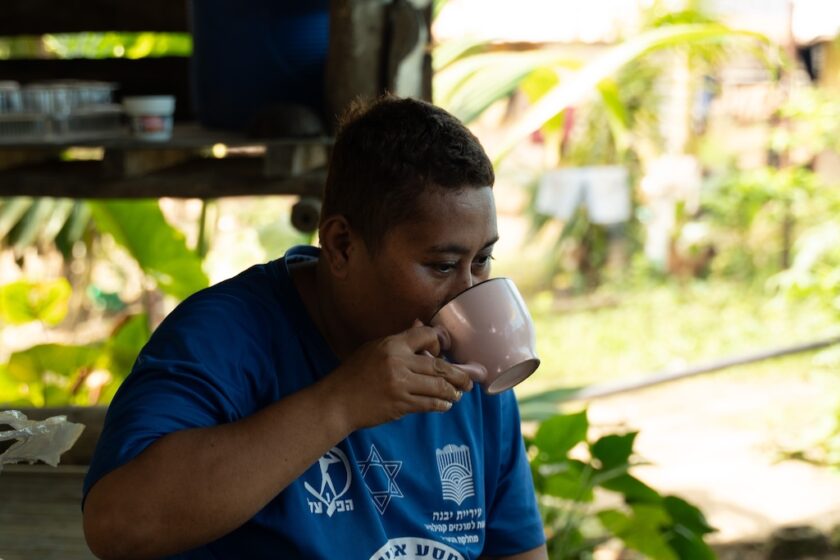
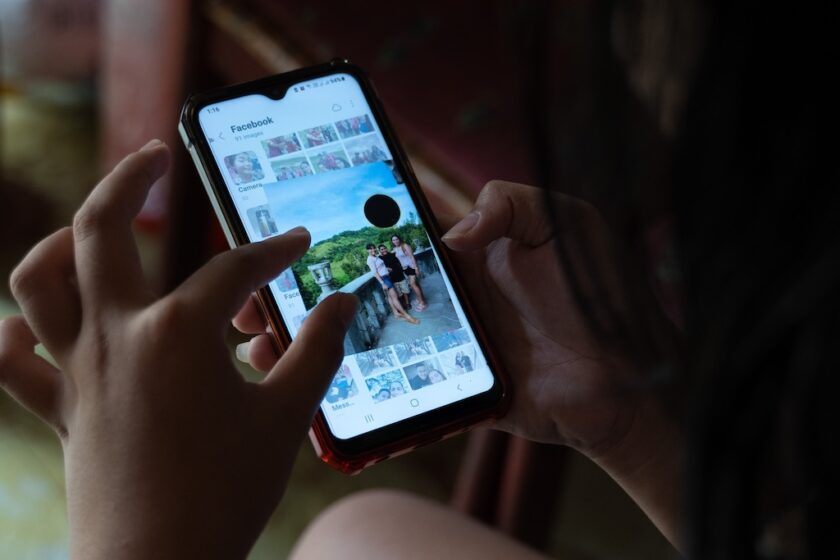
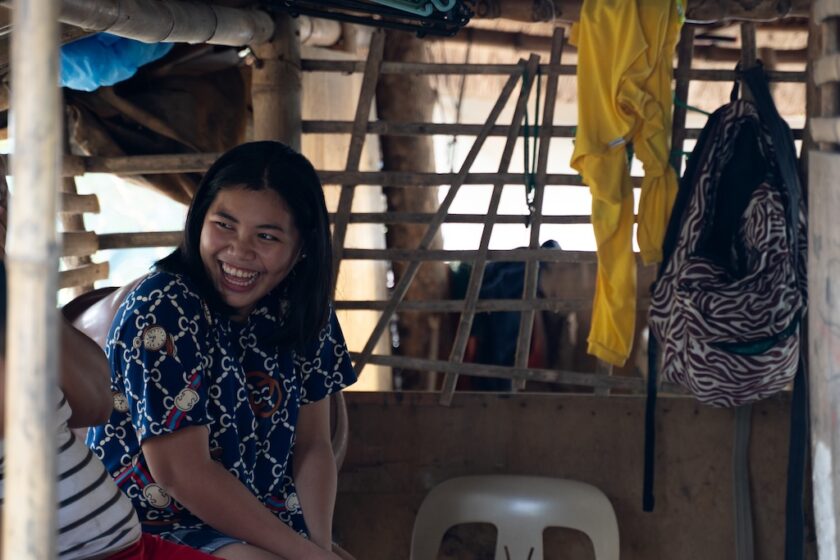
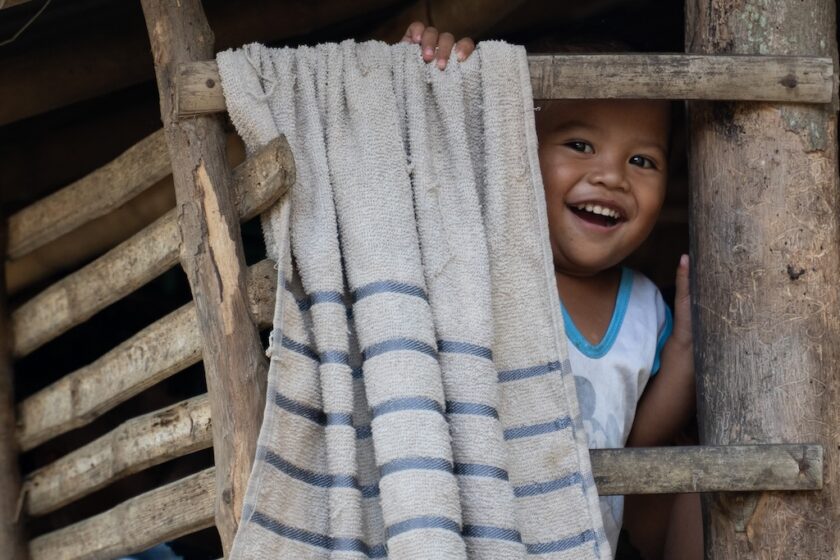
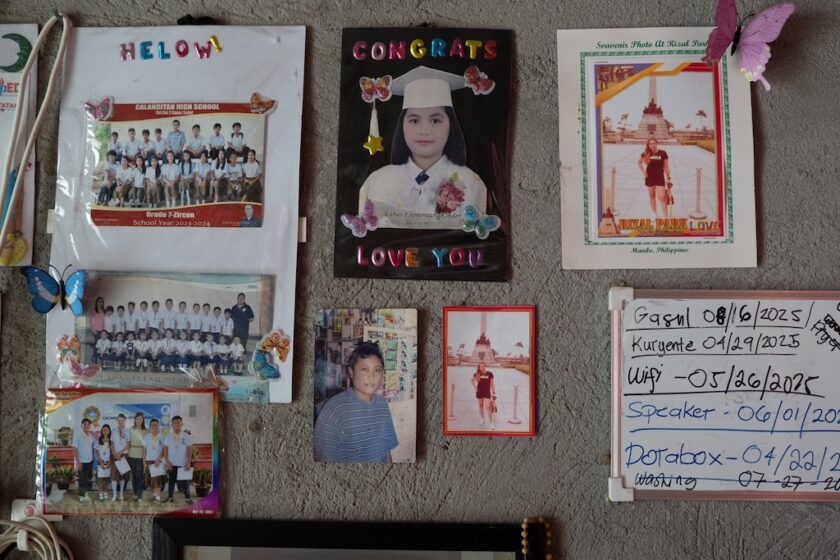
A child walks a familiar path in Sitio Kalangitan, where queerness is lived gently and without spectacle in an Ayta community in Capas, Tarlac. Morning begins at the cooking fire, where smoke rises slowly into the stillness of the day. Louie tends to lunch with practiced ease, moving confidently around the warmth of the kitchen. A pot of home-cooked adobo simmers — one of the many small ways Louie cares for the people around him. A quiet moment over a cup of coffee, before the day’s small routines begin. Aside from cooking, Louie helps tend to his partner’s sari-sari store, welcoming neighbors inside their home in exchange for snacks and other necessities. A glimpse of everyday connection—scrolling through memories with Mickey, his partner of seven years, and Mickey’s daughter Rhea, whom he now embraces as his own. Louie and Rhea share a playful father-daughter moment at home, laughter spilling easily between them. Rhea smiles from the doorway of a neighbor’s house. Outside of school, she is often found bonding with her cousins – not by blood but by closeness. A child peeks from behind a towel as the older kids bond with Rhea inside the house. Back inside Louie’s house, the wall is adorned with photos and Rhea’s achievements in school – proof of a home built on pride, support, and quiet love. Just as Rhea thrives academically, Louie is also working on his own studies as an Alternative Learning Student in the village learning center, as pictured in the background.
NOTE: This photo essay was the author’s output from the 17th PCP Professional Photojournalism and Documentary Photography Workshop organized by the Photojournalists’ Center of the Philippines, Inc. (PCP) and the Tarlac Provincial Government on November 26-30, 2025.


 Save as PDF