
By Diego Morra
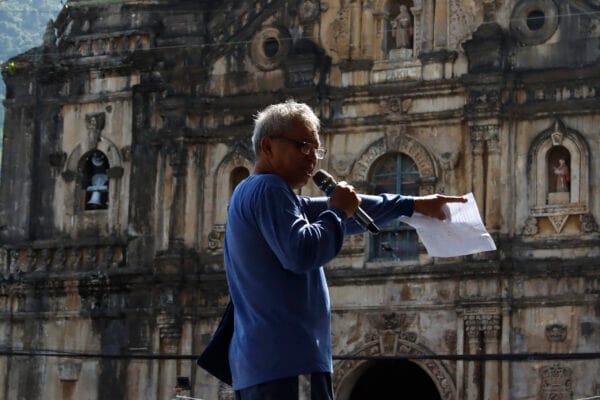
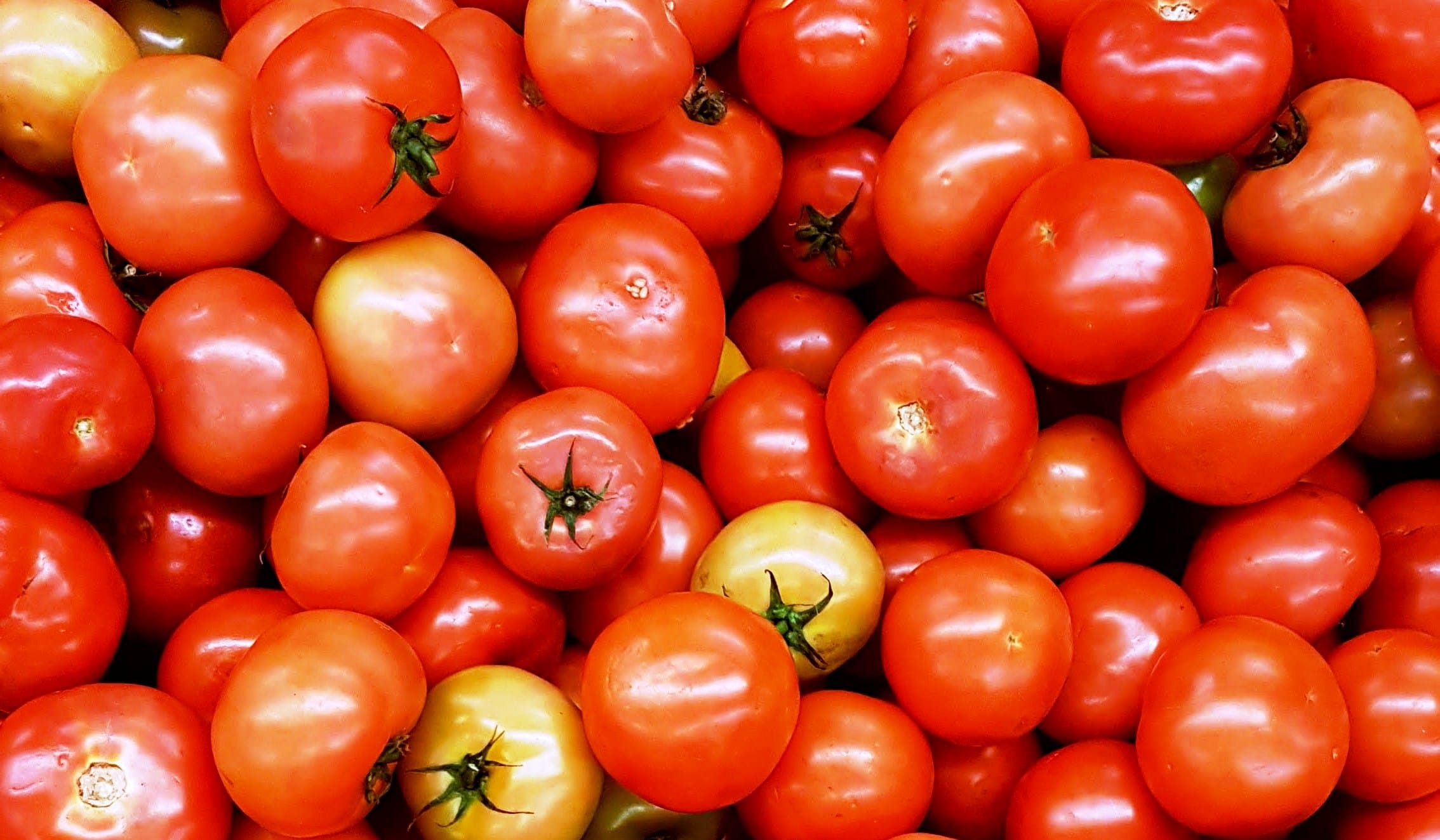
In what has become a devastating boom-and-bust cycle for food producers, it is now tomato farmers who are being bankrupted as the farmgate prices of the fruit have hit rock-bottom at the range of P3 and P5 per kilo, certainly below production cost, Kilusang Magbubukid ng Pilipinas (KMP) chairman and Makabayan senatorial candidate Danilo Ramos disclosed on Feb. 28, 2025.
Ramos called on the Marcos Jr., the Department of Agriculture (DA) and the Philippine Crop Insurance Corp. (PCIC) to come to the succor of tomato farmers, who have been losing money after traders cornered the supply weeks ago to push prices to the insane range of P250 and P300 a kilo. Tomato is a highly perishable fruit and famers do not have cold storage facilities to keep them, KMP stressed, forcing them to sell to traders who buy them at P4 a kilo in Nueva Ecija and P4 a kilo in the Ilocos Region. Ramos urged government to compensate tomato farmers, ensure price stability and provide post-harvest and marketing support.
Championing the cause of tomato producers, Ramos called on government to set the farmgate price of tomatoes at no less than P10 per kilo to help farmers recover their production costs and earn decent income. Vilma Mendoza Dofredo, a tomato farmer from Sta. Maria, Ilocos Sur, said the farmgate price between P3 and P5 per kilo is unfair and unsustainable. “Dapat gawing hindi bababa sa P10 ang farmgate price ng kada kilo ng kamatis,” Dofredo said. “Sa ngayon kasi, P3 hanggang P5 lang ang benta namin, kaya napakalugi na ng mga magsasaka.” Ramos urged DA to build cold storage and processing facilities in key vegetable-producing provinces to prevent oversupply from turning into massive losses for farmers. He called on government to give farmers a fair shake by encouraging direct access to buyers to eliminate middlemen who exploit food producers.
Ramos reiterated the need for price stabilization mechanisms to prevent drastic fluctuations in farmgate prices. He emphasized that cold storage and processing facilities must be established in key vegetable-producing provinces to prevent oversupply from turning into massive losses for farmers. Farmers should have direct access to buyers without being exploited by middlemen. He said government should be serious in boosting rural industrialization. Instead of relying on raw vegetable sales, the government must fund local food processing industries, post-harvest facilities and cooperative-led enterprises to ensure that farmers can process surplus tomatoes into sauces, pastes, and other value-added products. These measures would not only stabilize farmers’ incomes but also strengthen local food security.
He argued that the discrepancy between the tomato market prices that hover between P40 and P45 per kilo indicates that traders are again making a killing at the expense of the tomato farmers and consumers. The situation has become so bad, Ramos explained, that some farmers are giving away their produce for free. He said the DA can prevent this recurrent crisis. “Taon-taon na lang ganito—kapag anihan, bagsak ang presyo. Hindi na mabawi ng mga magsasaka ang puhunan nila. Ngayon, ni hindi na maibenta, ipinamimigay na lang o itinatapon ang mga kamatis. Kailangang may agarang bayad para sa mga magsasakang nalugi,” Ramos insisted.
Tomato farmers suffer the same fate yearly as they are forced to sell their fruits at giveaway prices or discard them. In several towns of Nueva Ecija, peasant women have already started producing catsup rather than throw away the tomatoes. Others are also venturing in the manufacture of tomato paste and other products. Yet, it would take a long time to creatively new food products from tomato, like hot catsup, sauces for barbecues, lechon and other dishes. On their own, farmers are trying to make the best out of the crisis inasmuch as the DA has been more concerned about its failed attempt to temper rice prices than on building post-harvest infrastructure like cold storage and food processing facilities. DA has long promised assistance, but these pledges, like Godot who never comes, never get redeemed.
“Matagal na naming sinasabi na dapat may price stabilization at post-harvest facilities para hindi napupunta sa wala ang pinaghirapan ng mga magsasaka. Hindi sapat ang pangako ng gobyerno na tulungan ang mga magsasaka sa pag-market ng produkto nila. Kailangan ng agarang ayuda at kompensasyon,” Ramos added. “Ang solusyon sa paulit-ulit na pagbagsak ng presyo ay hindi lang pansamantalang ayuda. Kailangan ng tunay na rural industrialization—mga lokal na pagawaan, cold storage, at proseso sa pagkain para hindi masayang ang ani ng magsasaka,” he argued.
On its own, the Marcos Jr. administration could use the P21-billion allocated to the House of the Representatives and the P5-bllion for the Senate to compensate farmers, or deploy the more than P70 billion in doleouts enjoyed by favored partylists for the midterm elections to mitigate the hardship of rice farmers and other food producers battered by the import-based food security policy pursued by both the Rodrigo Duterte and Marcos Jr. administrations. This is not asking too much, or asking for one afternoon in your reincarnation, as the Thais would say. It is doable, as doable as Maharlika Investment Corp. (MIC) funneling the people’s billions into the controlling companies of the National Grid Corp. of the Philippines (NGCP.) #