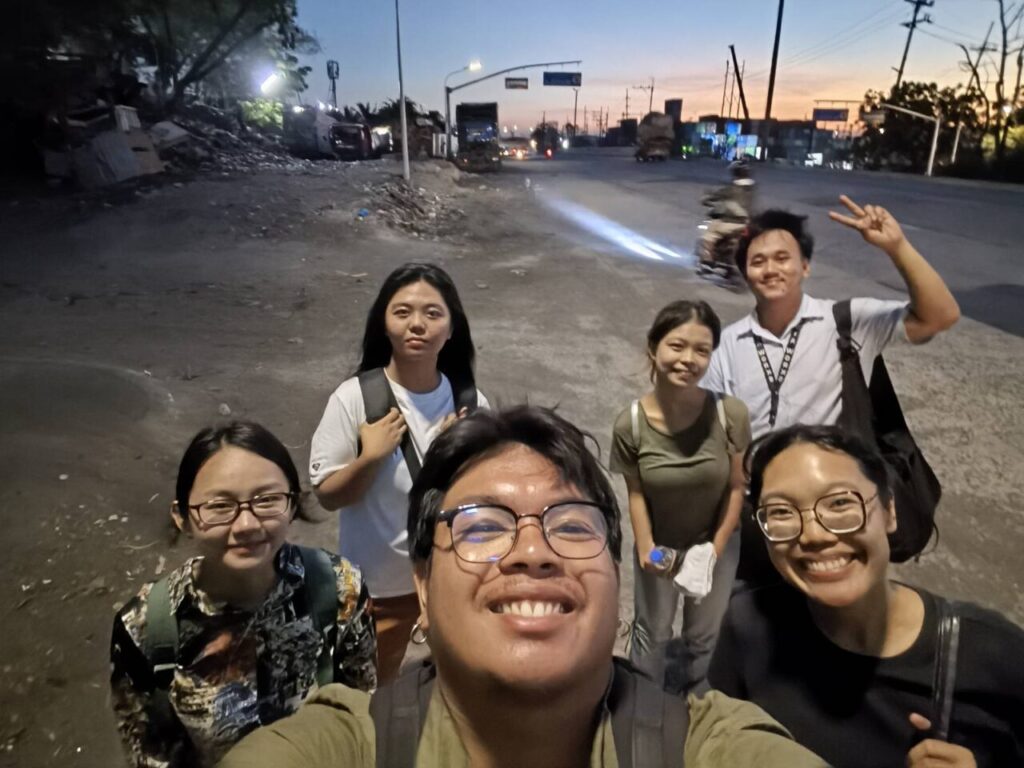

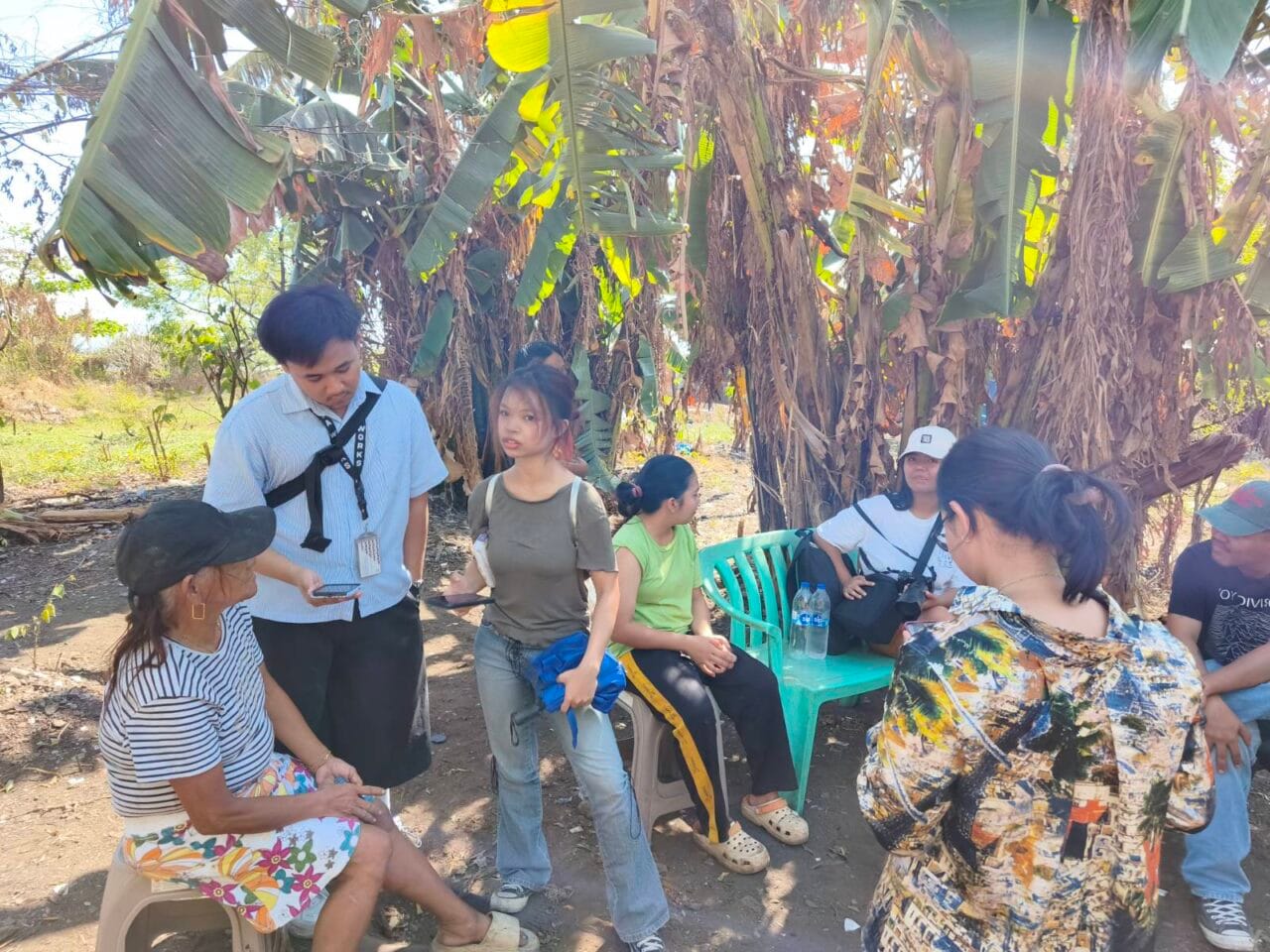
On April 3, 2026, together with campus journalists, we set out for Smokey Mountain in Manila. The task sounded simple: visit, observe, and document. But the reality of reporting on the ground quickly reminded us why presence matters.
We walked along Road 10 to get there. The heat was intense. Trucks thundered past us, their weight and speed forcing us to the side of the road. By the time we reached the entrance, two guards stopped us.
They said the area we were about to enter was private property. We then introduced ourselves as students and members of the media; still, they insisted we could not proceed without clearance from their commander.
On a previous visit, only the road going to Sangandaan had been blocked and declared private. Now, the claim had expanded to all of it.
How could land still inhabited by residents be considered entirely private? Were the people who lived there also stopped and questioned each time they came home? But no clear answer came.
What allowed us entry was the residents themselves. They simply vouched for us.
Even then, the scrutiny did not stop. The guards followed us to the community office to sign the logbook and take a photo of one staff member’s media ID. In response, we documented theirs too. If access is monitored, it should be on both sides.
Once we were settled, we introduced ourselves briefly and then walked to Ate Lea’s house. There, we met her family, including her daughter Jenny and their dog, Luna.
The surroundings were not the same image most people imagine when they hear Smokey Mountain. The land around their house was alive. It was lined with crops and small pockets of green pushing against the dry season. At their gate, purple flowers greeted us. Kangkong grew in clusters. Chickens wandered freely. Banana trees stretched upward, their fruit still unripe.
When Ate Lea heard that we had been stopped, she immediately expressed her concern. She worried that these restrictions might also affect them and that they would no longer be able to bring in wood to repair their home.
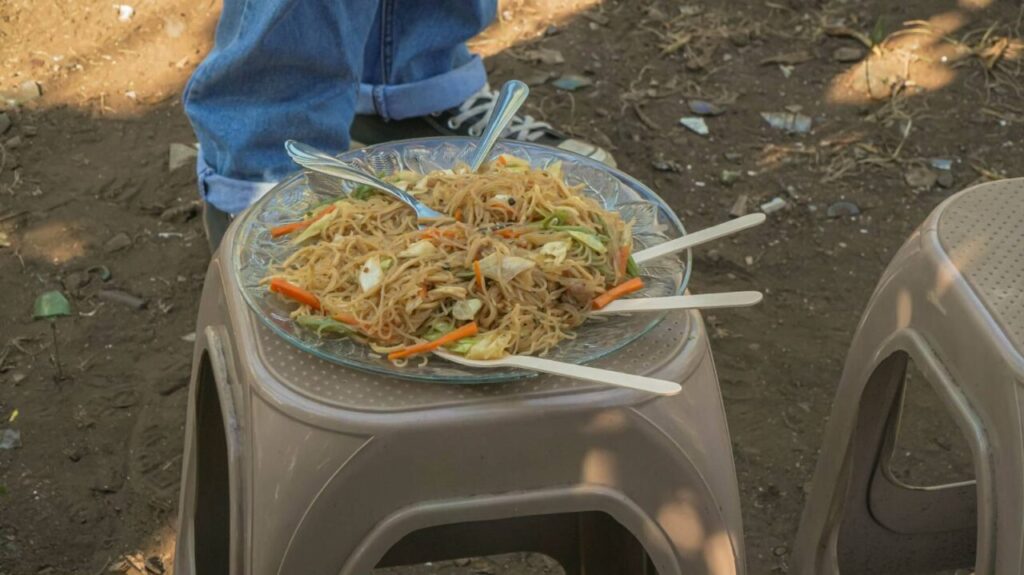
Despite that, they welcomed us without hesitation. They offered us cold water and pansit for meryenda. The water was a relief against the heat, but we knew it was not easily accessible. That it had to be fetched, carried from below.
They never showed us what it might have cost them to share even something as simple as water. Whenever we go to communities, the residents’ hospitality always makes space for us, offering what they can and doing so with dignity.
These are stories that cannot be fully understood from a distance.
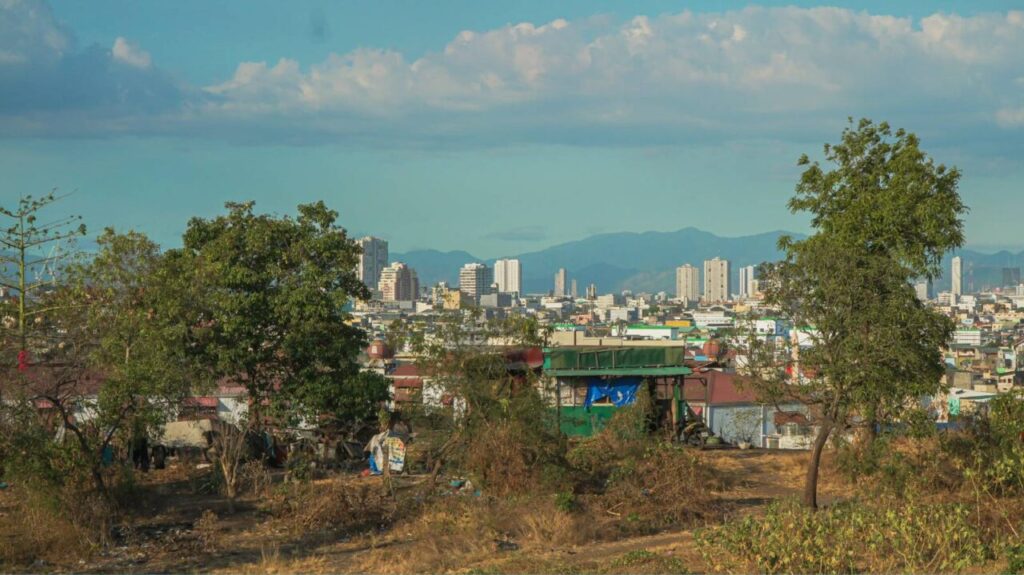
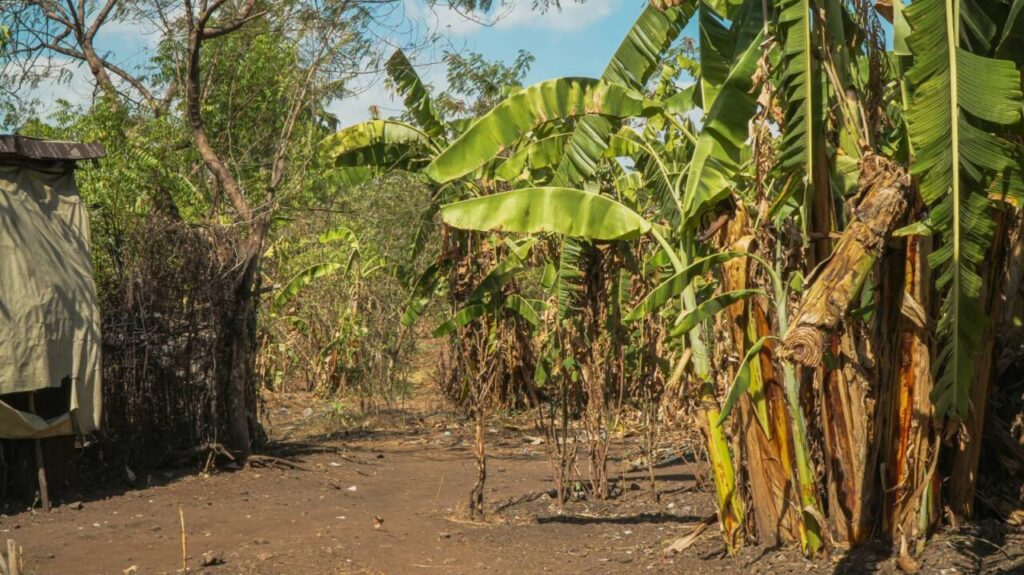
Jenny later led us to a higher vantage point. From there, we saw a patchwork of cultivated land in the foreground and the rise of city buildings. She shared how the land they till now had begun to dry under the summer sun.
Decades of labor have steadily developed the area, growing crops and selling them to support their livelihoods. In doing so, they built a home out of the mountain. And that fact alone challenged the dominant narrative of the area as nothing more than a former dumpsite.
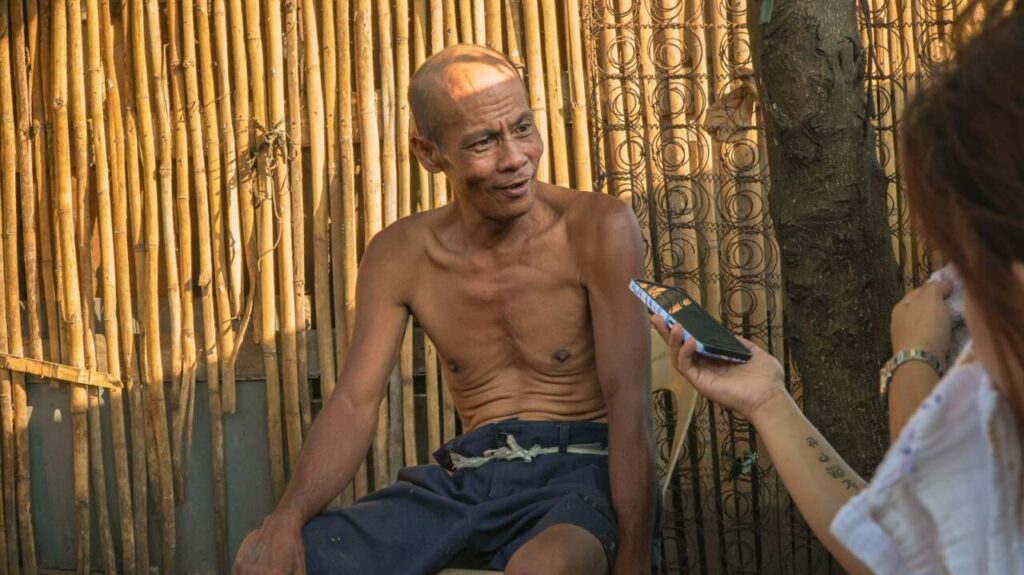
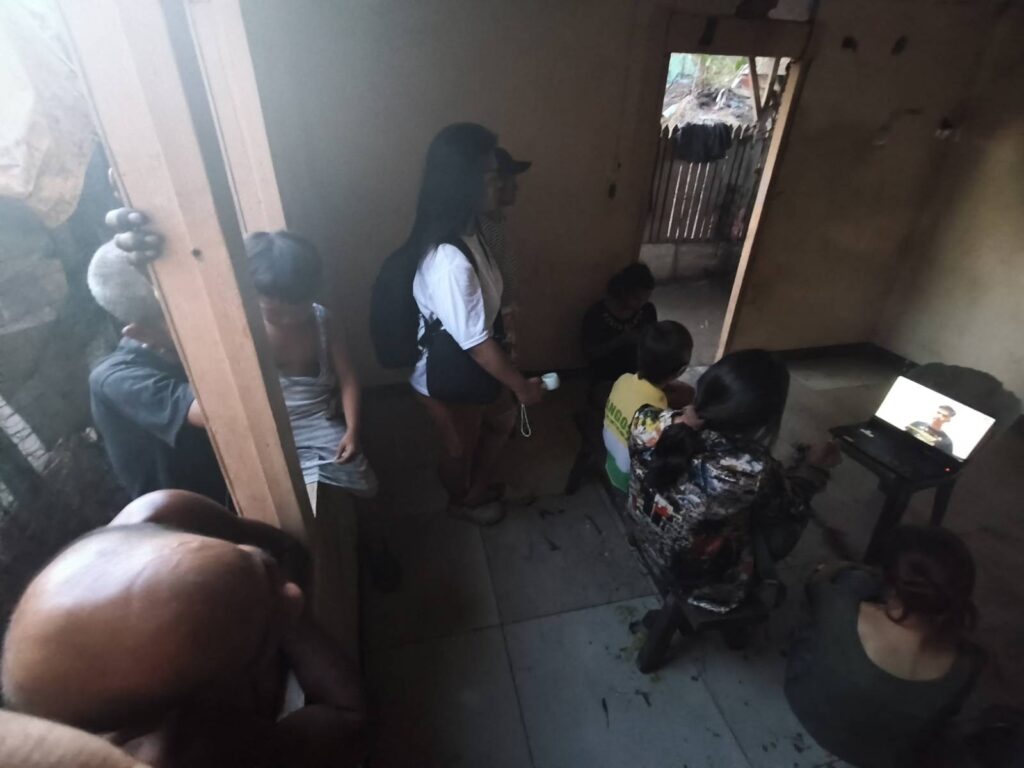
We continued visiting Tatay Esteban and Anora, who shared their accounts of daily life and attachment to the land they till and call home. After our interviews, we watched the documentary “Field of Dreams,” which highlights how residents cultivate the land and sustain their community while grappling with a looming concern about the proposed waste-to-energy incinerator project in the area.
According to the residents, it raises serious questions about their right to housing, as well as potential environmental, health, and social risks that could demolish the community they have worked so hard to rebuild.
And this is precisely why being on the ground matters.
It means walking under a scorching sun, asking uncomfortable questions, and negotiating access where it is contested. But it also means witnessing realities and documenting community stories that would otherwise remain underreported and rarely reach mainstream headlines.
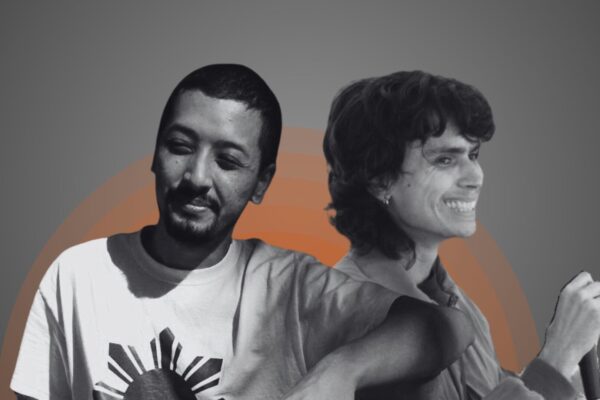
Community journalists like RJ Ledesma and Frenchie Mae Cumpio continue to emphasize this kind of reporting, not as an ideal, but as a necessity. Because without being there, what would we know? Whose voices would be heard? What truths would remain unrecorded?
As we made our way back along Road 10, night had already fallen, but trucks still rumbled on.
What lay ahead remained clear to the rest of us. Journalism is grounded in work done in the field, in communities where injustices persist, and in the farthest reaches where we stay closest to the people we serve.