

By Elisha Beatrice Umali
Bulatlat.com
Context: Contrary to online misconceptions that children in conflict with the law (CICL) are not “punished” under Philippine laws, the Juvenile Justice and Welfare Act (JJWA) upholds age-appropriate accountability and responsibility measures and civil liability for CICL.
Human rights: United Nations Convention on the Rights of a Child (UNCRC), child’s right to dignity, rights of a child in conflict with the law
Rights-holders: Filipino children aged 18 and below, children at risk, CICL
Duty-bearers: Juvenile Justice and Welfare Council (JJWC), including the Department of Social Welfare and Development (DSWD) and local government units (LGUs)
Republic Act 9344 or the Juvenile Justice and Welfare Act of 2006, amended in 2013, upholds “restorative justice” in providing support and community reintegration methods to CICL.
“Restorative justice emphasizes the restoration of respect, equality, and dignity in the relationship [of the community] affected by the alleged wrongdoing. It really engages the immediate participants in resolving the harm,” said Rowena Legaspi, Children’s Legal Rights and Development Council (CLRDC) executive director, in an interview with Bulatlat.
As opposed to a punitive approach relying on detention and penal sanctions, a restorative approach emphasizes the involvement of all parties invoved in the committed offense.
CICL rights are also enshrined in Section 5 of the JJWA. Among the 15 rights is the right against torture, right not to be imposed a capital punishment or life imprisonment sentence and a right to an automatic suspension of sentence.
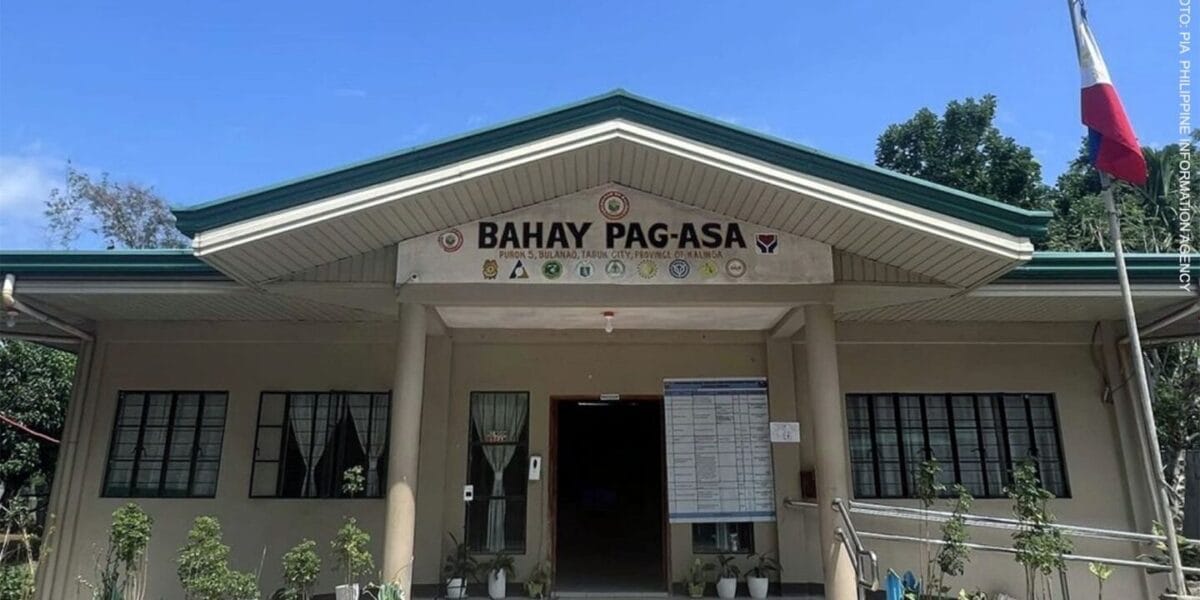
The JJWA also established Bahay Pag-asa centers, which provide “short-term residential care for CICL who are above 15 but below 18 years of age, and who are awaiting court disposition.” Inside these centers are the Intensive Juvenile Intervention and Support Center (IJISC) allocated for children 15 years and below.
Criminal responsibility
The minimum age of criminal responsibility (MACR) falls on children aged 15 but below 18 years old, who acted with discernment as determined by a social worker.
Exempt from criminal liability are children aged 15 and below, as well as children aged 15 but less than 18 years old who acted without discernment, as determined by a social worker. However, the law explicitly states that criminal liability exemption does not exempt the alleged child offender from civil liability.
Depending on the CICL’s age and nature of the crime committed, CICL are expected to undergo either intervention or diversion programs.
For 15 years old and below: An intervention program will be conducted. A CICL’s local social welfare and development officer will supervise a community-based intervention program for the child. Repeat offenders and abandoned children will be subject to placement in an IJISC inside a Bahay Pag-asa center.
Children 12 to 15 years of age will also be placed in an IJISC when they commit any of the following crimes:
- Parricide
- Murder
- Infanticide
- Kidnapping
- Serious illegal detention, where victim is killed or raped
- Robbery, with homicide or rape
- Destructive arson
- Rape
- Carnapping, where driver or passenger is killed or raped
- Offenses under the Comprehensive Dangerous Drugs Act
For 15 to below 18 years old: A diversion program will be conducted. Depending on the severity of the committed crime, CICL will undergo diversion programs facilitated at the barangay, law enforcement officer and prosecutor, or at the court level. In general, a diversion program shall include “adequate socio-cultural and psychological responses and services for the child.”
Following the June 22 Tacloban school shooting, perpetrated by a 14- and 15-year-old, talks of lowering the MACR gained traction in the country. However, Legaspi calls this measure a “band-aid solution” in addressing the root causes of juvenile delinquency.
Read: Child rights advocates oppose lowering criminal responsibility age
Furthermore, Legaspi claims the JJWA’s problem stems from its poor implementation, despite the law itself being sufficient to address CICL. “We should call for the attention of the duty bearers. If this law is already 20 years old in August, how many barangays within those 20 years have functional barangay diversion programs?” she asked.
According to CLRDC, there have been reports of torture inside Bahay Pag-asa centers, while not all LGUs have implemented community and barangay-based intervention and diversion programs.
“There’s no monitoring mechanism to ensure that children are provided with a structured program of intervention or diversion at the barangay-level. That’s what is missing. We should have evidence-based interventions and diversions to address the roots of violence to ensure safe spaces for children,” said Legaspi. (RTS, RVO)
 Save as PDF